


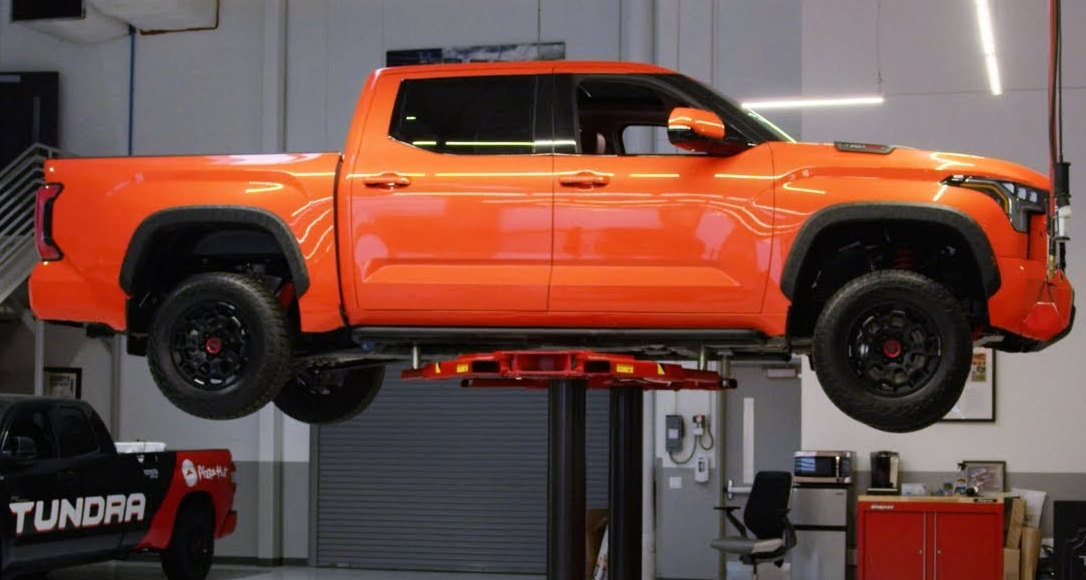
Toyota trucks are genuinely built to go the distance, but that durability only shows up when the maintenance actually gets done. Whether you’re driving a Tacoma through city streets or pulling heavy loads with a Tundra, a consistent service schedule is what keeps things running reliably year after year. Skip the recommended intervals, and you risk mechanical problems while quietly giving away money at trade-in time.
This guide covers what you need to know about maintaining both the Tacoma and the Tundra, including the service milestones that matter most, the items owners tend to overlook, and how local driving conditions around Palatine, IL, can influence your service needs. When you’re ready to get started, schedule standard service with our team at Arlington Toyota.
Why Following the Toyota Maintenance Schedule Protects Your Truck
The Toyota maintenance schedule is a blueprint built from extensive engineering data. Toyota engineers design these intervals to catch small problems before they snowball into costly repairs. A well-maintained truck also builds a documented service history, which shows up clearly in resale and trade-in negotiations.
Staying current also means trained technicians using Toyota Genuine Parts are the ones servicing your vehicle. Toyota trucks have specific torque specs, fluid requirements, and component tolerances that general service centers may not account for. Our certified technicians are equipped to handle these details properly, keeping your truck sound well past 100,000 miles.
Toyota Tacoma Maintenance Schedule: Key Service Milestones
The Tacoma’s maintenance schedule is designed around a truck that handles everything from daily commuting to off-road use. Keeping up with it isn’t complicated, but it does require consistency.
Routine Intervals
The foundational service tasks follow roughly every 5,000 miles or six months, whichever comes first:
- Oil and filter change (every 10,000 miles or 12 months under normal use with 0w-20 synthetic oil; every 5,000 miles under severe conditions such as towing or off-road use)
- Tire rotation
- Fluid checks: coolant, brake fluid, transmission fluid
- Multi-Information Display reset and inspection review
Major Service Milestones
At 15,000 miles, technicians run a full multi-point inspection and top off fluids across the board. The 30,000-mile service brings engine air filter replacement, a brake system inspection, and a coolant check. By 60,000 miles, spark plugs are due, along with a suspension inspection and a transmission fluid check. At 90,000 miles, the water pump, fuel system, and other major components all get a close look.
These milestones are moments to audit the entire truck, not just top off fluids. Suspension components take a beating on a truck that sees regular use, and catching worn bushings or struts early prevents bigger handling issues down the road.
Toyota Tundra Service Intervals: What Tundra Owners Need to Know
The Tundra follows a similar rhythm to the Tacoma for basic intervals, but the specifics shift to reflect a larger, heavier-duty platform. The Tundra’s engine is more powerful, its drivetrain components are more substantial, and many owners use it for towing and hauling, which puts extra stress on the whole system.
The mileage milestones mirror the Tacoma’s structure, but Tundra owners need to pay closer attention to transmission and cooling systems, given the demands of towing. If you regularly pull a trailer or carry heavy payloads, your service schedule may require more frequent fluid changes than the standard intervals suggest. We recommend discussing your typical driving and hauling habits with one of our service advisors to tailor the schedule to your actual use.
Brake inspections deserve more aggressive attention on the Tundra as well. Towing increases brake stress significantly, and waiting for a warning sign before checking pads and rotors is a gamble that rarely pays off.
How Tacoma and Tundra Maintenance Schedules Compare
Both trucks share the same core Toyota maintenance schedule structure, but key differences reflect each vehicle’s purpose. The table below highlights where the schedules align and where Tundra owners should apply additional scrutiny.
| Service Item | Tacoma | Tundra |
|---|---|---|
| Oil change, normal use | ~10,000 miles or 1 year | ~10,000 miles or 1 year |
| Oil change, severe/heavy use | Every 5,000–7,500 miles | Every 5,000–7,500 miles |
| Engine air filter | 30,000 miles | 30,000 miles |
| Spark plugs | 60,000 miles | 60,000 miles |
| Transmission fluid | Check at 60,000 miles | More frequent under regular towing |
| Brake system inspection | 30,000 miles, then ongoing | 30,000 miles; accelerated under towing |
| Differential/transfer case fluid | Required on 4WD models | Required on 4WD models |
| Cooling system (water pump, hoses) | Check at 90,000 miles | Check at 90,000 miles; closer monitoring under heavy loads |
A missed oil change on a Tacoma is a concern. On a Tundra that’s been towing all summer, it can cause serious damage. Both trucks reward the same discipline: follow the Toyota maintenance schedule, use Toyota Genuine Parts, and don’t wait for symptoms before booking an appointment.
Maintenance Items Toyota Truck Owners Most Often Overlook
Routine items like oil and tires get plenty of attention, but some service needs quietly slip past even diligent owners.
Differential, Transfer Case, and Brake Fluids
Differential and transfer case fluids top the list of overlooked items. These fluids have no dashboard warning light, so owners rarely think about them until something feels wrong. By then, gear wear is often already underway. Both the Tacoma and Tundra, especially 4WD and AWD configurations, rely on clean fluids in these components to deliver reliable performance on and off the road.
Brake fluid is similarly easy to forget because it’s out of sight and doesn’t require frequent changes. It absorbs moisture over time, though, which lowers its boiling point and compromises braking efficiency. That’s especially relevant if you do any towing. Flushing and replacing brake fluid at recommended intervals is a straightforward step that meaningfully improves safety.
Air Filters, Spark Plugs, and Ignition Components
The engine air filter degrades gradually rather than failing suddenly. Owners don’t notice until fuel efficiency and throttle response have already slipped. Replacing it on schedule is one of the simplest and most cost-effective services available.
The cabin air filter has the same out-of-sight problem. It’s tucked behind the glove box, easy to forget, and replacement is quick. Neglecting it means reduced airflow through the HVAC system and more dust and allergens in the cabin.
Spark plugs wear slowly without triggering obvious symptoms. A degraded plug makes the engine work harder and burn more fuel. On the Tundra’s larger engine, inefficient combustion affects performance noticeably over time. Ignition coils should also be inspected periodically if you notice any hesitation or rough idle.
How Palatine-Area Driving Conditions Affect Your Service Schedule
Living and driving around Palatine, IL, introduces variables that a standard maintenance schedule doesn’t always account for.
Winter and Road Salt
Illinois winters bring road salt, freeze-thaw cycles, and repeated cold starts that accelerate wear on fluids, brakes, and undercarriage components. Before winter, we recommend:
- Fresh oil and filter suited to cold-weather viscosity requirements
- Coolant system check for freeze protection
- Battery and charging system inspection
- Brake inspection, including lines and hardware for early corrosion
After heavy snow and salt exposure, schedule an undercarriage rinse and a brake line inspection. Salt accumulation accelerates corrosion on components that are expensive to replace if left unchecked.
Summer and Stop-and-Go Commuting
Stop-and-go traffic through the Chicagoland area is tougher on brakes and transmission fluid than steady highway driving. Before summer:
- Inspect cooling system hoses, belts, and coolant concentration
- Check tire pressure and tread depth as heat cycles affect both
- Confirm air filter condition ahead of summer driving demands
Toyota’s guidelines classify certain driving patterns as “severe use,” including frequent short trips, extreme temperature driving, and regular towing. Under these conditions, shortening your intervals for oil and transmission fluid is a Toyota maintenance recommendation, not optional caution. If your Tacoma or Tundra fits this profile, schedule standard service so we can help set the right intervals for your actual driving habits.
Keeping Your Toyota Truck on Track with Arlington Toyota
For Tacoma and Tundra owners across the Palatine area, our service department is staffed by certified Toyota technicians with access to Toyota Genuine Parts and current diagnostic tools. We understand the specific demands these trucks face, whether you’re commuting through Chicagoland, hauling gear on weekends, or dealing with another Illinois winter.
Whether you’re coming in for a routine oil change, a major mileage milestone, seasonal prep, or something more involved, staying connected with a service team that knows your truck is one of the smartest long-term decisions you can make. A service appointment today prevents far more expensive repairs down the road and keeps your truck doing exactly what it was built to do.
If you’re also considering an upgrade, explore our Toyota truck lineup to see current Tacoma and Tundra inventory. And when you’re ready for service, book directly through our scheduling page to get your truck in as quickly as possible.
Connect with us


- August 2026
- July 2026
- June 2026
- May 2026
- April 2026
- March 2026
- February 2026
- January 2026
- December 2025
- October 2025
- September 2025
- July 2025
- February 2025
- January 2025
- November 2024
- October 2024
- September 2024
- August 2024
- July 2024
- April 2024
- March 2024
- October 2023
- May 2020
- April 2020
- March 2020
- February 2020
- January 2020
- December 2019
- November 2019
- June 2017
- January 2017
- November 2016
- June 2016
- April 2016