


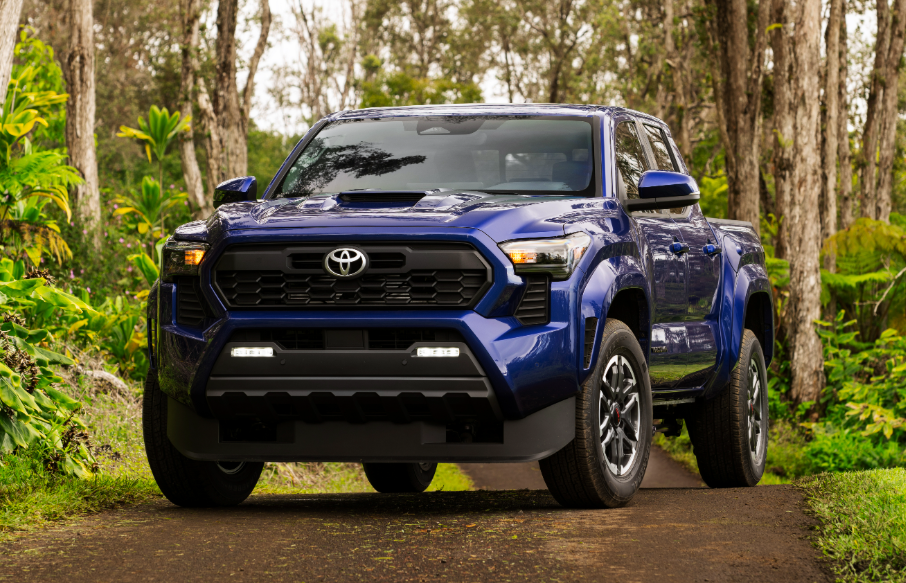
If you’re shopping for a truck and wondering whether Toyota’s reliability reputation holds up in the real world, the short answer is yes. The longer answer is about understanding what that reputation actually looks like over a decade of ownership, especially when you’re comparing two trucks with pretty different personalities.
Whether you’re eyeing a Tacoma for weekend trails or a Tundra for hauling gear across the northwest suburbs, here are honest, data-grounded answers before you commit. Browse new trucks at Arlington Toyota to see what’s in stock, or keep reading to figure out which model actually fits your life.
How Long Do Toyota Trucks Actually Last? The Honest Answer
Toyota trucks have a well-earned reputation for outlasting what most buyers expect from a pickup. Both the Tacoma and Tundra routinely hit 250,000 miles with consistent maintenance, and high-mileage examples going well beyond that are genuinely common. Toyota designed these trucks with durability as a priority, leaning toward proven, straightforward powertrains rather than overly complex systems that get expensive as miles pile up.
What separates Toyota pickups from the competition isn’t just build quality in isolation. It’s the combination of reliable powertrains, solid materials, and a track record built across millions of vehicles. For buyers who want a truck they can count on for the long run, the data keeps pointing in the same direction.
Tacoma vs. Tundra: Understanding the Reliability Differences
Both trucks reflect Toyota’s commitment to quality, but they’re built for very different jobs. The Tacoma is a midsize pickup with off-road agility and everyday usability in mind. The Tundra is a full-size workhorse designed for heavy towing, bigger payloads, and buyers who need serious capacity. Here’s how they stack up on key specs:
| Category | Toyota Tacoma | Toyota Tundra |
|---|---|---|
| Engine/Powertrain | 2.4L turbo-4 (4th gen, 2024+) | Twin-turbocharged V6 (3rd gen, 2022+) |
| Drivetrain Options | RWD, 4WD | RWD, 4WD |
| Transmission | Automatic (varies by configuration) | Automatic (varies by configuration) |
| Horsepower/Torque | Varies by configuration | Varies by configuration |
| Fuel Economy | 18 – 23 mpg city / 23 – 26 mpg highway | Varies by configuration |
| Reliability/Longevity | 25.3% reach 250K miles (5.3x industry average); 300K+ regularly reported | 30.0% reach 250K miles (6.3x industry average) |
Toyota Tacoma Longevity and What High-Mileage Owners Report
Tacoma owners consistently report their trucks staying mechanically solid well past 200,000 miles, often needing little beyond routine maintenance. According to iSeeCars data, Tacomas have a 25.3% chance of reaching 250,000 miles, and plenty of owners report hitting 250,000 to 300,000 miles with proper care. The Tacoma also ranked as the most dependable midsize truck in J.D. Power’s 2026 U.S. Vehicle Dependability Study, which is strong external confirmation of what owners have been saying for years.
RepairPal gives the Tacoma a 3.5 out of 5.0 reliability rating, placing it 7th out of 7 midsize trucks. That ranking is worth understanding in context: it reflects the severity and cost of repairs when they occur, not how frequently they happen. Average annual repair costs run around $478, and owners encounter unscheduled repairs roughly 0.3 times per year compared to a 0.2 industry average. The probability of a severe repair sits at 17% versus a 13% industry benchmark. Not perfect, but when problems do come up, they tend to be manageable rather than catastrophic.
One thing used Tacoma buyers should know: second-generation models (2005 – 2010) had documented frame rust problems in areas with heavy road salt use. That’s a real concern here in Chicagoland, where salt is basically a seasonal fixture from November through March. Fourth-generation Tacomas (2024+) have addressed these structural issues, but it’s still worth a close look on any older used truck.
Toyota Tundra Durability and What Heavy Use Looks Like Over Time
The Tundra takes everything the Tacoma does well and scales it up for harder work. Toyota built this truck to absorb heavy loads over years of consistent use, and long-term owners confirm it delivers on that promise. According to iSeeCars, Tundras have a 30.0% chance of reaching 250,000 miles, which is more than six times the industry average. Second-generation models (2007 – 2021) powered by the 5.7L V8 are especially well-regarded for clearing 300,000 miles. The third-generation Tundra (2022 to present) introduced twin-turbocharged engines, and while their long-term track record is still developing, early reliability signals look promising.
The Tundra earns a 3.5 out of 5.0 from RepairPal, landing 6th among 17 fullsize trucks. Owners spend about $606 yearly on repairs, well under the $936 segment average. Shop visits average 0.3 per year, and while 18% of repairs qualify as major, that matches what’s typical for the class. Translation: issues are uncommon, even if the ones that surface carry some weight.
If you regularly tow a boat up to Wisconsin, haul materials for projects, or need to move a full crew around reliably, the Tundra holds up under that kind of real-world demand.
Maintenance Habits That Make or Break Long-Term Toyota Truck Ownership
Even the most reliable trucks age faster without consistent care. In Chicagoland, that’s especially true. Road salt accelerates undercarriage corrosion, cold starts stress batteries and engine components, and freeze-thaw cycles wear on seals and suspension parts faster than most climates. Staying on top of maintenance here isn’t just good habit; it’s the difference between a truck that makes it to 150,000 miles and one that’s still running strong at 300,000.
Key Maintenance Practices
Newer Tacoma and Tundra models typically run synthetic oil with change intervals around every 10,000 miles, though some configurations call for 5,000-mile intervals. Spark plug replacement ranges from 30,000 to 100,000 miles, depending on model year. Brake inspections, fluid checks, and undercarriage washes after salt exposure are all worth staying current on, particularly through winter.
Using genuine Toyota OEM parts matters more than people often realize. Aftermarket alternatives may look cheaper upfront but can introduce fit and reliability issues that compound over time. Catching small problems early is almost always far less expensive than letting them develop into major repairs.
For Tacoma and Tundra owners in the northwest suburbs, keeping up with service is easier with a trusted shop nearby. You can schedule a service appointment with our team online anytime.
True Cost of Owning a Toyota Truck Over the Long Haul
Sticker price is only one part of the financial picture. Real ownership costs include maintenance, repairs, fuel, and what the truck is worth when you eventually sell or trade it.
Repair Costs and What to Expect
The Tacoma’s average annual repair cost of $478 is competitive for the segment. Most issues that do come up tend to be moderate in scope rather than the kind of surprise that wrecks a budget. Fewer complex systems mean fewer expensive diagnostic visits and less exposure to cascading repair problems. The parts ecosystem for both models is well-established, which keeps components accessible and reasonably priced.
That advantage compounds meaningfully over time. A truck that avoids major unexpected repairs across a decade of ownership isn’t just less stressful to live with; it’s noticeably cheaper in total.
Resale Value and Why It Works in Your Favor
Toyota trucks hold their value better than most of the competition. The Tacoma retains about 80.1% of its value after five years, and the Tundra holds roughly 78.6%. Those numbers give you real financial leverage at trade-in time. For anyone planning to own their truck five to eight years, strong resale performance meaningfully reduces the effective cost of ownership compared to competitors that depreciate much more aggressively.
What to Look For When Buying a Used Toyota Truck
Used Toyotas hold up well, but a solid inspection still matters. A few things worth checking:
- Review the full maintenance history before committing. A truck with consistent, documented service is far more trustworthy than one with gaps.
- Inspect the frame and undercarriage closely for rust, especially on second-generation Tacoma models (2005 – 2010). This is critical in Chicagoland given the salt exposure.
- Watch for transmission hesitation, rough shifting, or delayed engagement on your test drive.
- Listen for unusual engine noise at startup and under load, including ticking, knocking, or irregular idle.
- Pull a Carfax or AutoCheck report and confirm the title is clean with no undisclosed accidents.
For added peace of mind, certified pre-owned Toyotas go through a 160-point inspection and come backed by a 12-month/12,000-mile limited comprehensive warranty, a 7-year/100,000-mile limited powertrain warranty, and a year of roadside assistance. Our pre-owned vehicle inventory also includes non-CPO options if you’re working within a specific budget.
Which Toyota Truck Fits Your Life in the Northwest Suburbs?
Living in the Chicago metro means your truck needs to handle highway commuting, suburban errands, winter driving, and whatever else your routine throws at it.
Go with a Tacoma if you want a more maneuverable daily driver that’s still capable off-road, easier to park in tighter spots, and practical for weekend use. At 18 – 23 mpg city and 23 – 26 mpg highway, it’s also more fuel-efficient for commuters putting in regular highway miles. Browse new Tacoma inventory to see current trims and configurations.
Go with a Tundra if you regularly tow a boat, haul heavy materials, or need a truck that earns its keep as a genuine working vehicle day in and day out. Its size stops being a limitation the moment you’re actually working the truck hard. Browse new Tundra inventory to see what’s available.
Both models handle Illinois winters well. The decision really comes down to how hard you’ll be working the truck versus how much of its life will be everyday driving.
Explore Toyota Trucks at Arlington Toyota
Arlington Toyota is located at 2095 N Rand Rd in Palatine, IL, and has served the greater Chicagoland area as a family-owned dealership since 1983. We carry a consistently strong inventory of new and pre-owned Tacoma and Tundra models across multiple trims and configurations.
Ready to Find Your Truck?
Whether you’re buying new or used, our team is here to help you find the right fit. We run a full-service department with genuine Toyota parts and a collision center for complete ownership support. When you’re ready to take the next step, contact us or stop by to talk through your options in person.
Connect with us


- September 2026
- August 2026
- July 2026
- June 2026
- May 2026
- April 2026
- March 2026
- February 2026
- January 2026
- December 2025
- October 2025
- September 2025
- July 2025
- February 2025
- January 2025
- November 2024
- October 2024
- September 2024
- August 2024
- July 2024
- April 2024
- March 2024
- October 2023
- May 2020
- April 2020
- March 2020
- February 2020
- January 2020
- December 2019
- November 2019
- June 2017
- January 2017
- November 2016
- June 2016
- April 2016