

Blog

All Toyota Model Features Toyota Trucks Blog Toyota SUVs Palatine Toyota Service Toyota Cars Toyota Financing Toyota Hybrids
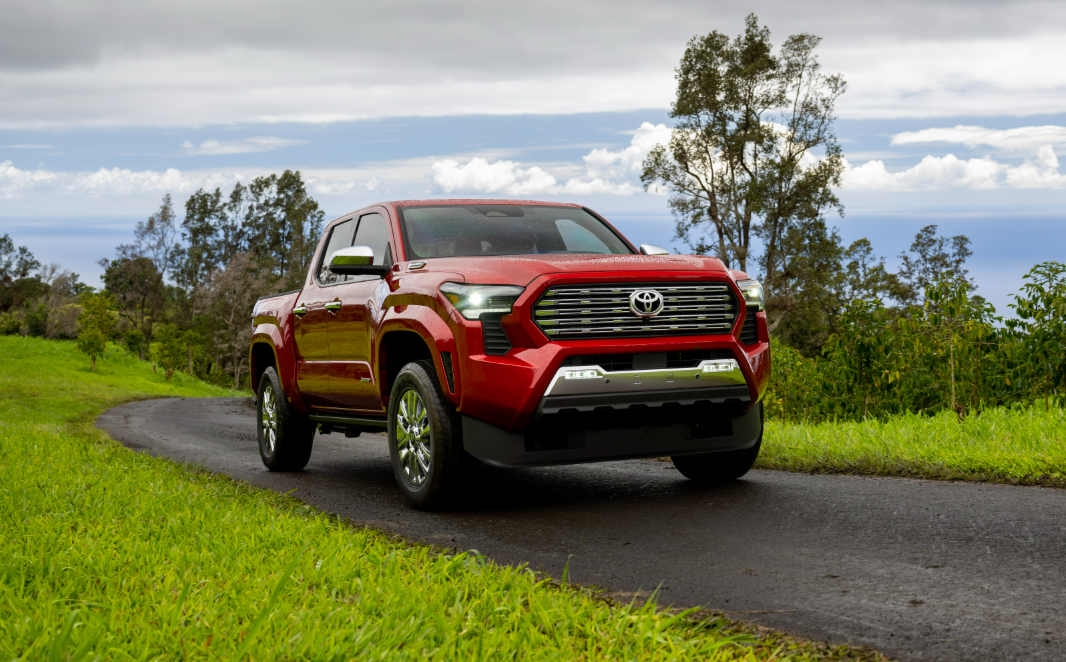
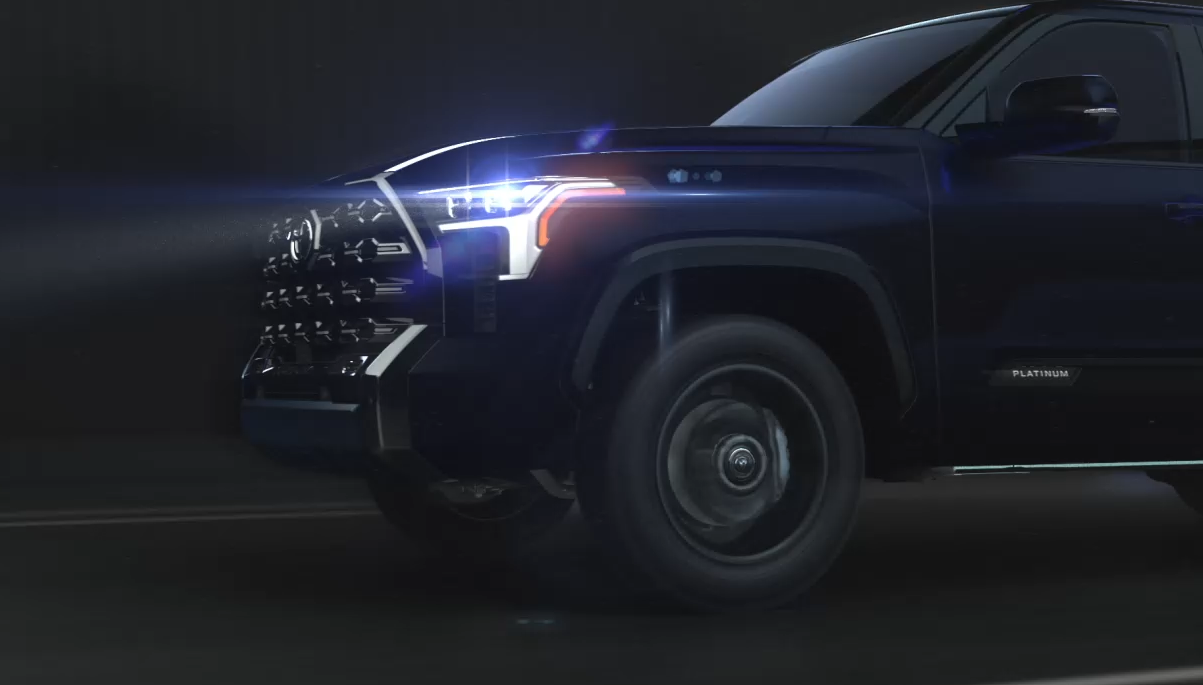
Blue 2026 Toyota Tundra Platinum
in Toyota Trucks

Choosing the Right 2026 Tundra for Big Jobs: Trim & Engine Breakdown

If you're shopping for a full-size truck in Palatine or anywhere across Chicagoland, towing capacity is probably the first spec you check. The 2026 Toyota Tundra tows anywhere from 8,300 lbs to 12,000 lbs, depending on trim, engine, and drivetrain. Below, we break down which configuration gets you which number. If you'd rather see these trucks in person, you can browse our new 2026 Tundra inventory in Palatine while you read. 2026 Toyota Tundra Towing Capacity at a Glance The 2026 Tundra's max towing capacity of 12,000 lbs belongs to a specific build: the SR5 Double Cab, 4x2 (RWD), 6.5-ft bed, equipped with the tow package. The base SR trim tops out at 8,300 lbs across every configuration it offers. Everything in between depends on how the engine, cab, bed, and drivetrain combine, which is exactly what we break down trim by trim below. How Towing Capacity Is Calculated: Payload, Tongue Weight & Powertrain Towing numbers don't come from one single spec. They're the product of several ratings working together, and mixing them up is where a lot of confusion happens. Your Tundra's payload covers everything the cab and bed can carry at once, passengers, cargo, gear, all of it. Max payload is 1,940 lbs on SR and SR5 Double Cab models with rear-wheel drive and the 6.5-ft bed. From there it falls as trims add weight, down to 1,600 lbs on TRD Pro and 1,485 lbs on Capstone. Hybrid models give up roughly 100 to 200 lbs of payload to the battery pack compared with their gas equivalents. Always confirm your specific truck's number on the door-jamb payload label before loading up. GVWR (Gross Vehicle Weight Rating) is the max total weight of the truck itself, fully loaded. GCWR (Gross Combined Weight Rating) adds the trailer into that equation, capping the combined weight of truck plus trailer plus everything inside both. Then there's tongue weight, the downward push your trailer's hitch exerts on the truck. It typically runs 10-15% of the trailer's total loaded weight. A 10,000-lb trailer carries roughly 1,000-1,500 lbs of tongue weight, and that weight comes directly out of your available payload. This is why a truck rated to tow 12,000 lbs can still feel maxed out if you're also hauling gear in the bed. A weight-distributing hitch (WDH) is required by Toyota for any trailer over 5,000 lbs, which helps spread that tongue weight more evenly across the axles. Toyota was the first manufacturer to voluntarily adopt the SAE J2807 towing standard, back in 2011, which includes the demanding Davis Dam Grade test. Every towing figure below reflects that standardized testing protocol, so numbers are directly comparable across Tundra trims. i-FORCE V6 vs. i-FORCE MAX Hybrid Towing Differences The standard i-FORCE 3.4L twin-turbo V6 makes 348 hp and 405 lb-ft of torque on SR, and 389 hp/479 lb-ft on SR5 through 1794 Edition, with EPA ratings up to 18/24 MPG city/highway. The i-FORCE MAX hybrid steps up to 437 hp and 583 lb-ft, about 48 hp and 104 lb-ft more than the gas V6, with fuel economy up to 20/24 MPG and 22 MPG combined in rear-wheel drive. More power doesn't automatically mean more towing, though. The hybrid system adds weight, and in several trims that extra mass actually lowers the max tow rating versus the gas-only equivalent. The hybrid's overall max towing figure sits at 11,450 lbs, below the gas V6's 12,000-lb ceiling on SR5. If you're chasing the absolute highest towing number, the gas V6 in the right configuration is still the way to get there. 2026 Toyota Tundra Towing Capacity by Trim Trailer-Sway Control is standard across the lineup, and every trim above the base SR adds an integrated trailer brake controller as standard equipment. Confirm hitch and wiring on the specific truck you're considering, since availability varies by trim. Below is how max towing and payload break down trim by trim. Trim Max Towing Max Payload Best-Tow Configuration SR 8,300 lbs 1,940 lbs Any SR5 12,000 lbs 1,940 lbs Double Cab, 6.5-ft, 4x2 Limited 11,450 lbs (hybrid) 1,860 lbs (gas) CrewMax, 5.5-ft, 4x2, hybrid Platinum 11,380 lbs (hybrid) 1,720 lbs (gas) CrewMax, 5.5-ft, 4x2, hybrid 1794 Edition 11,310 lbs (gas) 1,720 lbs (gas) CrewMax, 5.5-ft, 4x2, gas TRD Pro 11,175 lbs 1,600 lbs CrewMax, 5.5-ft, 4x4 Capstone 10,340 lbs 1,485 lbs CrewMax, 5.5-ft, 4x4 SR & SR5 Towing and Payload Specs SR is Tundra's work-focused entry point, capped at 8,300 lbs of towing regardless of cab or bed choice. Step up to SR5 and the ceiling jumps to 12,000 lbs when you spec a Double Cab, 6.5-ft bed, and rear-wheel drive. That same SR5 in 4x4 comes in at 11,200 lbs, and with the 8.1-ft bed it rates 11,370 lbs in RWD. SR and SR5 also share the lineup's highest payload at 1,940 lbs, so if maximum towing and payload together are your priority, SR5 in the right configuration is the trim to look at. Limited Towing and Payload Specs 2026 Tundra Limited towing capacity ranges from 11,110 lbs to 11,400 lbs with the gas V6, or up to 11,450 lbs with the i-FORCE MAX hybrid. Limited is one of the few trims where the hybrid actually edges out the gas engine on towing. Payload tops out at 1,860 lbs with the gas V6, or 1,680 lbs with the hybrid. Limited also brings added towing tech, including the Panoramic View Monitor on higher packages, which helps with trailer visibility that lower trims don't get. Platinum & 1794 Edition Towing and Payload Specs Platinum and 1794 Edition sit close together on paper. Platinum's gas V6 tows 10,890-11,310 lbs, with the hybrid running 10,960-11,380 lbs. 1794 Edition matches Platinum's hybrid range and tops out around 11,310 lbs with the gas V6, just under SR5's 12,000-lb ceiling, while adding more standard luxury features. On both trims the hybrid is the stronger tow choice, not the gas V6. Both share a 1,720-lb max payload with the gas engine, or 1,655 lbs with the hybrid. TRD Pro Towing and Payload Specs The 2026 Toyota Tundra TRD Pro towing capacity is 11,175 lbs, and this trim is hybrid-only; there's no gas V6 option here. Toyota Tundra 4x4 towing capacity on TRD Pro holds strong even with the off-road suspension and reinforced skid plates that come standard. Capstone Towing and Payload Specs Capstone is Tundra's top luxury trim, also hybrid-only, built exclusively on CrewMax 4x4 with the 5.5-ft bed. Max towing lands around 10,340 lbs, lower than several other trims, since Capstone is built around comfort and refinement rather than chasing towing records. It's meant for buyers who want the most refined cabin and technology package while still being able to tow a boat, trailer, or camper comfortably. Full Towing Capacity Chart by Cab, Bed Length & Drivetrain Cab and bed choice shift towing numbers even within the same trim. Double Cab comes with either a 6.5-ft or 8.1-ft bed, while CrewMax offers 5.5-ft or 6.5-ft beds. The 8.1-ft bed is only available on the lowest trims, and TRD Pro and Capstone are locked to the 5.5-ft bed only. Every bed shares the same 20.9-inch depth, 58.7-inch width, and 48.7 inches between wheelwells, with overall vehicle length ranging from 233 to 252 inches depending on configuration. Cab / Bed Gas 4x2 Gas 4x4 Hybrid 4x2 Hybrid 4x4 Double Cab, 6.5-ft 8,300–12,000 8,300–11,200 — — Double Cab, 8.1-ft 8,300–11,370 8,300–11,090 — — CrewMax, 5.5-ft 8,300–11,400 8,300–11,160 11,380–11,450 10,340–11,175 CrewMax, 6.5-ft 11,180–11,270 10,890–11,110 11,290–11,350 10,960–11,040 The i-FORCE MAX hybrid is not offered on Double Cab. Ranges span the trims available in each configuration. All figures per SAE J2807; confirm the rating on your specific build. Which 2026 Tundra Configuration Tows the Most? If you're wondering which Toyota Tundra has the highest towing capacity, it's the SR5 Double Cab, 6.5-ft bed, RWD, running the gas i-FORCE V6 with the tow package installed. That combination reaches Tundra's absolute max of 12,000 lbs. The 1794 Edition's gas V6 tops out around 11,310 lbs, just short of that number, while SR5 reaches the full 12,000-lb ceiling with less luxury equipment adding weight elsewhere in the lineup. You can explore current inventory through our new-vehicle search or talk to our team about financing a properly-equipped Tundra. Towing in Chicagoland: Job Site Trailers, Boats & Lake Michigan Adventures We see a lot of Tundra buyers in Palatine, Arlington Heights, Schaumburg, and Streamwood who need a truck that handles both job sites and weekends off. A typical bass boat and trailer combo runs 4,000-6,000 lbs, well within reach of nearly every Tundra trim, whether you're launching at 31st Street Harbor, North Point Marina in Winthrop Harbor, or Waukegan Harbor for a day on Lake Michigan. Mid-size travel trailers land in the 6,000-9,000-lb range, still comfortably handled by most Tundra configurations. Fifth-wheel campers, though, often weigh 12,000-15,000 lbs, and that upper end exceeds even the Tundra's max rating of 12,000 lbs, so double-check your specific camper's loaded weight before assuming any Tundra trim can handle it. How to Maximize Your Tundra's Towing Setup Getting the most out of your Tundra's tow rating comes down to more than the spec sheet. Every Tundra ships with Trailer-Sway Control standard, every trim except the base SR adds an Integrated Trailer Brake Controller as standard equipment, and Tow/Haul Mode adjusts shift points for better control under load. Trailer Backup Guide with Straight Path Assist makes reversing far less stressful; it's standard on Platinum, 1794, and Capstone, available on SR5 and Limited, and not offered on SR or TRD Pro. The Panoramic View Monitor is standard from Platinum up and available on SR5 and Limited. Beyond the tech, match your hitch class to your actual load, keep tongue weight in that 10-15% range, and always check the door-jamb payload label rather than relying on advertised max figures. A WDH is required by Toyota for trailers over 5,000 lbs, and it makes a real difference in handling. If financing a properly-equipped Tundra is part of your plan, our financing team can walk you through options. Frequently Asked Questions About Tundra Towing Capacity How Much Can a Toyota Tundra Tow? The 2026 Toyota Tundra towing capacity ranges from 8,300 lbs on the base SR trim up to 12,000 lbs on a properly configured SR5. The 1794 Edition tops out lower, around 11,310 lbs with the gas V6. Where your specific truck falls depends on trim, engine, cab, bed, and whether the tow package is installed. Does the Tundra Hybrid Tow More Than the Gas V6? In most trims, no. The i-FORCE MAX hybrid tops out at 11,450 lbs, below the gas V6's 12,000-lb max on SR5. The hybrid's extra weight offsets some of its added torque advantage, though on Limited specifically the hybrid does edge out the gas engine slightly. Explore the Full Toyota Truck Lineup at Arlington Toyota Tundra isn't the only capable truck we carry. If you want to compare towing figures, cab configurations, or fuel economy across the full range, explore our new Toyota truck inventory to see what's currently on our lot in Palatine. Schedule Your Tundra Test Drive or Value Your Trade-In Numbers on a spec sheet only tell part of the story. Come feel how a 12,000-lb-rated SR5 or a fully-loaded Capstone handles with a trailer attached, and bring your current truck along while you're here. We'll appraise it on the spot and show you exactly what it's worth toward your next Tundra, which is often more than owners expect. We're a family-owned dealership serving Chicagoland since 1983, and our team can help you match the right Tundra configuration to your actual towing needs, then walk you through your trade-in value and financing options. Contact us or give us a call at (844) 474-5287 to set up a test drive today.

Read More
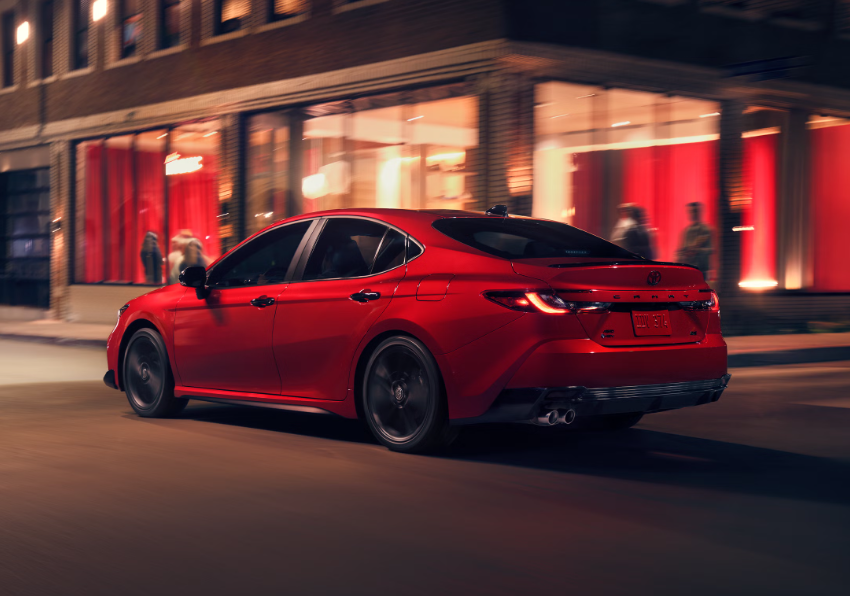
Red 2027 Toyota Camry

2027 Toyota Camry Preview: What's New & What's Changed

The 2027 Toyota Camry lands at an odd spot in its lifecycle. Toyota redesigned the car for 2025, dropping the gas-only option entirely and going hybrid across the board. Based on Toyota's typical redesign cadence, the 2027 model should carry that same design forward largely unchanged. If you're weighing a new Toyota Camry for sale in Palatine or just want to know what's coming before the next model year lands, here's what we know so far, and what's still speculation. You can also contact us directly with questions while we wait on official details. 2027 Toyota Camry: First Look at the Carryover Model Toyota usually runs on a multi-year redesign cycle, and the Camry's next full refresh isn't expected until the 2028 model year, probably hitting showrooms in late 2027. That puts the 2027 Camry in carryover territory. The hybrid-only powertrain, exterior styling, and tech package that debuted with the MY2025 redesign should all stick around. For Chicagoland shoppers who liked what Toyota did last time around, that's good news. The fuel economy numbers, safety ratings, and interior tech that made the current Camry a strong pick should stick around in 2027. Speculative facelift renderings have been floating around online, showing tweaked grilles or lighting elements. These are unofficial digital concepts made by outside artists, not confirmed changes from Toyota. Nothing has been announced regarding styling revisions for 2027. What's New (and What's Not) for 2027 Given the carryover framing, don't expect much new for the 2027 Camry. Toyota tends to save bigger updates, new trim packages, or feature additions for mid-cycle refreshes rather than the years right after a redesign. The trim lineup should stay the same: LE, SE, Nightshade, XLE, and XSE, all running on the hybrid-only setup that replaced the gas-only four-cylinder starting in MY2025. Exterior Styling and Technology Carryover The current design language should stick around for 2027: slim LED headlights and taillights paired with Toyota's distinctive hammerhead front fascia, plus an integrated rear spoiler on the sportier trims. Wheel sizes should stay at 16 inches on the LE, 18 inches on the SE and XLE, and 19 inches on the XSE. Interior tech should carry over largely intact as well: a 7-inch digital instrument cluster, an 8-inch touchscreen (bigger on upper trims), wireless charging, a Wi-Fi hotspot, satellite radio, wireless Apple CarPlay and Android Auto, five USB ports, Bluetooth, six speakers, and HD Radio. Toyota Safety Sense should stay standard across the lineup, and we'd expect the 2027 Camry to keep earning strong crash-test marks from NHTSA and IIHS, in line with recent model years. Expected Pricing Changes We don't have confirmed pricing for the 2027 Camry, and we're not going to pretend otherwise. Based on typical year-over-year adjustments, figure on a 1% to 3% bump over the current model, which starts at $29,600 with destination. A FWD XLE trim runs around $34,800 today, and we'd expect similar positioning next year. If you'd rather not wait and want to look at financing options now, our finance team can walk you through what's available. Standard Hybrid Powertrain: Specs and Performance Every 2027 Camry, regardless of trim, should come standard with the hybrid system introduced in the MY2025 redesign: a 2.5-liter four-cylinder engine paired with an electric assist motor, routed through a continuously variable transmission. There's no gas-only Camry anymore, and nothing suggests that's changing for 2027. FWD Power and Torque Ratings FWD models combine a 184-hp engine with a 134-hp electric motor for a net 225 hp, plus 163 lb-ft of torque. That torque shows up instantly thanks to the electric motor, which makes the Camry feel responsive off the line, useful when merging onto I-90 or crawling through stop-and-go traffic. AWD Power Ratings Toyota's Electronic On-Demand AWD system, added with the last redesign, pairs a roughly 40-hp rear electric motor with the standard hybrid system for up to 232 net combined hp. It's an on-demand setup, engaging automatically when the system detects wheel slip rather than running all the time. Independent testing by Car and Driver clocked the Camry XSE AWD at 6.8 seconds in the 0-60 mph run; Toyota does not publish an official 0-60 mph estimate. AWD wasn't widely available on the Camry before this redesign made it a lineup-wide option, so this remains one of the more notable additions to recent generations. Fuel Economy: Up to 51 MPG Combined Fuel economy is a strong point for the Camry Hybrid, and we'd expect the 2027 figures to closely match the current model year. The LE FWD trim leads the lineup at an EPA-estimated 53 city, 50 highway, and 51 combined MPG. LE AWD comes in at 50 combined. Further down the lineup, SE FWD is rated at 47 combined, Nightshade FWD at 45 combined, and XLE FWD at 46 combined, while the sportier XSE FWD sits at 44 combined. AWD versions of the SE, Nightshade, and XLE trims land at 46 combined, with the XSE AWD at 43 combined. The lithium-ion battery pack sits under the rear seats, which helps preserve trunk space at 15.1 cubic feet, plenty for a midsize sedan. And if you're wondering whether the Camry counts as a full-size car given how roomy the cabin feels, it doesn't. The EPA classifies it as a midsize sedan, though the interior room and trunk capacity punch above that label. Why the 2027 Camry Hybrid Is Ideal for Palatine and Chicagoland Drivers Living in Palatine means dealing with a particular mix of driving conditions: highway stretches on I-90, arterial traffic on Illinois Route 53, and local routes like U.S. Highways 12 and 14. The 2027 Camry Hybrid's powertrain suits exactly this kind of variety. Hybrid systems do their best work in stop-and-go conditions, where the electric motor handles low-speed driving and regenerative braking recaptures energy that would otherwise go to waste. With an average Palatine-to-Chicago commute clocking in around 41 minutes, much of it involving traffic signals, merges, and speed changes, the efficiency advantage of a hybrid adds up fast over a work week. For winter driving, the available Electronic On-Demand AWD gives Chicagoland drivers extra confidence on snow-covered roads without giving up much of that hybrid efficiency. Commuting Efficiency on Route 53 and Northwest Highway The intersection of Route 53 and Northwest Highway is a daily reality for plenty of Palatine commuters, and it's exactly the kind of stop-and-go environment where the Camry Hybrid's powertrain shines. IDOT's $189 million reconstruction project along IL-53 between I-90 and Lake Cook Road is largely on track to wrap up major work by the end of this year, with some remaining items continuing into spring 2027. By the time the 2027 Camry reaches our lot, drivers should be looking at a noticeably smoother corridor for their daily commute, which pairs well with a hybrid built for efficient, comfortable driving. 2027 Toyota Camry Release Timeline Toyota hasn't published an official 2027 Toyota Camry release date yet, and any timeline we share here is an estimate based on historical patterns, nothing more. Looking at prior rollout schedules, we'd expect the 2027 Camry to arrive around September or October 2026. That lines up with how Toyota has typically introduced new Camry model years in the past, though the automaker could shift this timing without notice. If you want to be among the first in Palatine to see the 2027 Camry in person, keeping an eye on our inventory and reaching out directly is the most reliable way to stay updated as we get closer to that window. Frequently Asked Questions About the 2027 Toyota Camry Is the 2027 Toyota Camry getting a redesign? No. The 2027 Camry is expected to carry over the hybrid-only design and technology introduced with the MY2025 redesign. A full redesign isn't anticipated until the 2028 model year. Will the 2027 Toyota Camry Hybrid come in AWD? Yes. Electronic On-Demand AWD is expected to remain available across the Camry lineup, adding a rear electric motor for up to 232 net combined hp when needed. What is the estimated 2027 Toyota Camry price? Official pricing hasn't been announced. Based on typical annual increases, we estimate a 1% to 3% rise over the current starting price of $29,600 with destination. What is the expected fuel economy for the 2027 Camry Hybrid? We expect figures to mirror the current model, topping out at an EPA-estimated 51 MPG combined on the LE FWD trim. Is the Toyota Camry a full-size car? No. The Camry is classified as a midsize sedan, though its cabin space and 15.1 cubic feet of trunk room offer generous room for a car in this class. When does the 2027 Toyota Camry release? No official date has been confirmed. Based on past release patterns, we estimate an arrival around September to October 2026. Reserve Your 2027 Toyota Camry at Arlington Toyota Explore Current Inventory and Get Updates We've been serving Palatine and the greater Chicagoland area since 1983, and we know the 2027 Camry Hybrid is going to be a popular choice for drivers who want good mileage without sacrificing sedan comfort. While we wait for official word on pricing and the exact release date, our team can keep you updated and help you explore new Toyota cars for sale in Palatine in the meantime, including current Camry inventory if you don't want to wait. Visit or Contact Our Team Our showroom at 2095 N Rand Rd is staffed with team members who speak Spanish, Polish, and Russian, and we're happy to answer questions about financing and trade-ins, or talk through what to expect from the 2027 lineup. Give us a call at (844) 474-5287 or contact us online to get on our list for availability and ordering updates as they become available.
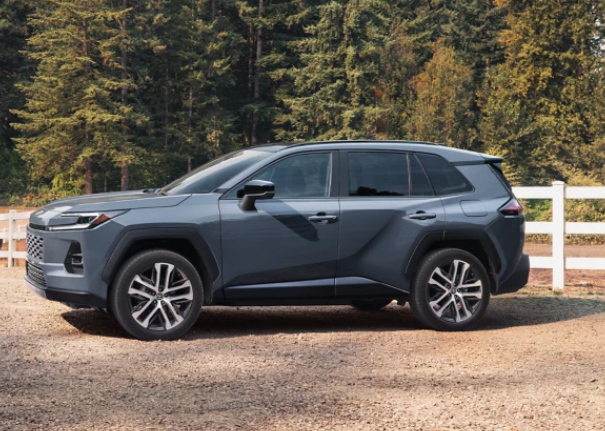
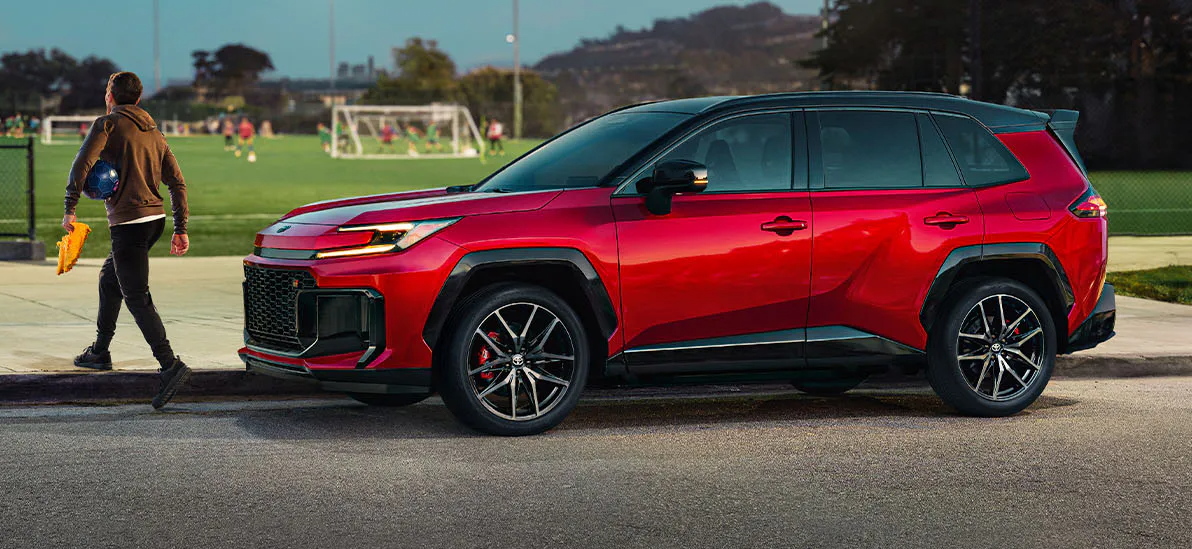
Gray 2026 Toyota RAV4

2026 Toyota RAV4 AWD & Winter Capability Guide: Navigating Chicagoland Snow & Ice

When the temperature drops and the snow starts falling across Chicagoland, having a capable SUV isn't just a luxury - it's a necessity. The 2026 Toyota RAV4 lineup has made a massive shift by moving to an all-hybrid powertrain, which brings exciting changes to how this SUV handles slick roads and freezing temperatures. If you're commuting from Palatine or navigating icy streets in Arlington Heights and Schaumburg, the 2026 RAV4 offers the traction, safety, and cold-weather comfort to keep you confident all season long. To see what's currently on our lot, you can browse our new 2026 RAV4 lineup while you read through our winter capability guide below. Tackling Palatine Winters: How the 2026 RAV4 Handles Snow We typically see around 36 inches of snowfall each year in Palatine, with January highs hovering near a freezing 32°F. That kind of climate makes your drivetrain choice one of the most practical decisions you'll make when picking an SUV. Every AWD 2026 RAV4 hybrid ditches the traditional, heavy mechanical driveshaft in favor of a dedicated rear electric motor, known as the MGR, to power its Electronic On-Demand AWD. Because this system is electric, it can send torque to the rear wheels almost instantly the second it detects front-wheel slip on ice or slush. This system works alongside a new Electronically Controlled Brake System with regenerative braking, keeping the RAV4 firmly planted when roads turn slick. Additionally, all AWD trims include standard drive modes covering Sport, Eco, Normal, EV, Trail, and Snow. Activating "Snow Mode" alters the throttle response and traction control to prevent wheel-spin when pulling out of unplowed driveways or accelerating at icy intersections. Finding Your Cold-Weather Package: How the Trims Compare More than 6.4 million RAV4s have sold in the U.S., and Toyota has spent decades refining what drivers need in harsh weather. Depending on the grade, the 2.5L 4-cylinder hybrid setup produces 226 hp with front-wheel drive or 236 hp with all-wheel drive. Here is a breakdown of how the four most popular trims - LE, XLE Premium, XSE, and Limited - equip you for the winter months. 2026 RAV4 LE: The Capable Winter Commuter The LE trim is where most RAV4 shoppers start, delivering 236 hp when equipped with the optional AWD. For anyone focused on essential winter safety, the LE covers the basics perfectly. It features Multi-LED Headlights with Automatic High Beams to cut through dark, snowy evenings, and standard Toyota Safety Sense 4.0 to help monitor surrounding traffic when visibility drops. It's a value-packed starting point, though if winter driving is your top priority, we highly recommend making sure you specify the AWD option rather than the standard FWD. 2026 RAV4 XLE Premium: The Winter Convenience Upgrade Stepping up to the XLE Premium layers on genuine cold-weather comfort. Toyota fits this trim with SofTex-trimmed heated front seats and heated exterior mirrors to quickly melt away morning frost. Practical touches matter when the weather turns bad; a height-adjustable power liftgate with jam protection means you don't have to get your hands dirty opening a slush-covered trunk. Toyota also includes Front and Rear Parking Assist with Automatic Braking. When snowbanks make tight driveways and crowded parking lots hard to navigate, these sensors add an essential layer of confidence. 2026 RAV4 XSE: Sporty Traction and Visibility The 2026 RAV4 XSE takes the guesswork out of the drivetrain by making AWD standard. You get the sportier styling and 20-inch wheels paired with an EPA-estimated 43 mpg city and 37 mpg highway. Inside, standard heated front seats keep you warm, but the standout winter feature is the Panoramic View Monitor with 3D 360-degree overhead visibility. When snow accumulation obscures parking lines and curbs, this camera system makes navigating tight spots far less stressful. 2026 RAV4 Limited: The Ultimate Winter Fortress The RAV4 Limited tops the lineup, shifting its focus toward premium cold-weather luxury. Like the XSE, AWD comes standard. However, the Limited goes much further to keep passengers comfortable during Palatine's coldest mornings. Comfort features extend to heated and ventilated front seats, heated rear seats for your passengers, and an available heated leather-trimmed steering wheel - a genuinely vital feature when temperatures drop below zero. The exterior also gains integrated LED fog lights for white-out conditions, and the interior features a digital rearview mirror to give you a clear view of the road behind you even if your rear window is blocked by heavy snow. Trim-by-Trim Comparison: Winter Specs and Features Seeing the specs side by side makes the differences clearer. Here's how the LE, XLE Premium, XSE, and Limited stack up on the details that matter most for winter driving. Feature LE XLE Premium XSE Limited Drivetrain FWD or Opt. AWD FWD or Opt. AWD AWD Standard AWD Standard Cold-Weather Comfort Cloth seating Heated front seats, Heated mirrors Heated front seats Heated front & rear seats, Heated steering wheel Visibility & Safety Tech LED Headlights, TSS 4.0 TSS 4.0 + Parking Assist w/ Auto Braking TSS 4.0 + 360-degree monitor TSS 4.0, 360-degree monitor, LED Fog Lights Snow/Trail Drive Modes Included (with AWD) Included (with AWD) Standard Standard Find Your Winter-Ready 2026 RAV4 at Arlington Toyota Test Out the Tech in Person Reading specs online only gets you so far. Sitting in the cabin, feeling the heated SofTex seats, and testing the 360-degree camera tells you more than any spec sheet can. Our knowledgeable staff can walk you through how the Electronic On-Demand AWD works in person and answer questions specific to your daily Chicagoland commute. If you're also curious how the RAV4 compares to other AWD options in our range, feel free to explore our new Toyota SUVs while you're browsing. Schedule Your Test Drive Don't wait for the first big blizzard to upgrade your vehicle. Come browse our new 2026 RAV4 lineup at Toyota of Arlington, located at 2095 N Rand Rd in Palatine, or give our sales team a call at (844) 474-5287 to schedule a test drive today.

2026 Toyota Tundra vs. 2026 Ford F-150: Which Full-Size Truck Fits Your Needs?

Choosing a full-size truck is rarely simple. These vehicles haul your tools, your family, and on some job sites, your entire livelihood rides on the bed liner. The 2026 Toyota Tundra and the 2026 Ford F-150 both represent the best their respective brands have to offer, yet they take noticeably different approaches to getting the job done. If you're weighing the 2026 Toyota Tundra vs. 2026 Ford F-150 and want an honest breakdown of what actually matters for Chicagoland driving, here's the comparison. If the Tundra ends up fitting your needs, you can browse the 2026 Toyota Tundra for sale in Palatine once you've read through the details. 2026 Toyota Tundra vs. 2026 Ford F-150: Quick Comparison at a Glance The 2026 Toyota Tundra leads with bold styling, a refined hybrid powertrain, and a suspension system built for a smoother, more controlled ride. The 2026 Ford F-150 counters with a broader engine lineup, strong towing figures in specific trims, and a cabin full of practical work-focused features. Both trucks deliver modern technology and spacious interiors, but they prioritize performance, comfort, and efficiency differently enough that the differences matter. For drivers around Palatine and greater Chicagoland, where winters are brutal and job sites demand real capability, those differences show up directly in the daily driving experience, not just on a spec sheet. Powertrain Muscle: Twin-Turbo V6 and i-FORCE MAX Hybrid vs. Ford's EcoBoost Lineup The Tundra's standard i-FORCE powertrain is a 3.4-liter twin-turbo V6, producing 348 horsepower and 405 lb-ft of torque on the SR trim, with output rising to 389 horsepower and 479 lb-ft on higher trims. Torque is what you feel when pulling a loaded trailer up an on-ramp or hauling equipment over uneven terrain, and the Tundra delivers that force low in the RPM range for a quick response under load. For drivers who want both power and efficiency, the available i-FORCE MAX hybrid pairs that same twin-turbo V6 with an electric motor built into the transmission, producing a combined 437 horsepower and 583 lb-ft of torque, among the strongest outputs in the segment. The electric motor also delivers instant torque, useful in stop-and-go city driving or when pulling a heavy load off the line, and it comes backed by Toyota's 10-year/150,000-mile hybrid battery warranty. The F-150 offers more engine variety: a 2.7-liter EcoBoost V6, a 3.5-liter EcoBoost V6 (producing 382 horsepower and 500 lb-ft of torque for 2026), a 5.0-liter naturally aspirated V8, and the PowerBoost hybrid, which combines the 3.5-liter EcoBoost with an electric motor for 430 horsepower and up to 578 lb-ft of torque. Ford Motor Company's lineup also leans into towing capability. In specific trim configurations, the F-150 can tow up to 13,500 lbs, ahead of the Tundra's 12,000-lb maximum. That said, for buyers who don't need the absolute towing ceiling, the Tundra's torque consistency across trims and smoother ride under load make it the more confidence-inspiring choice for everyday hauling. Ride Quality and Suspension: Multi-Link Coil Springs vs. Ford's Leaf Springs The Tundra has a clear edge here for everyday driving. It uses a double-wishbone front and multi-link rear coil spring suspension setup. Coil springs generally absorb road imperfections more smoothly than leaf springs and hold better body control when the truck is loaded, which means noticeably better ride comfort on the highway and on pothole-covered Chicagoland streets alike. The F-150 uses a traditional solid rear axle with leaf springs. Leaf springs are proven and durable for high payload work, but they ride stiffer and can get bouncy when the truck is unloaded. If you spend most of your time driving without a full bed, you'll notice that stiffness. The Tundra's suspension makes it feel less like a dedicated work vehicle once you're off the job site, which matters if you're using your truck as your main daily driver. Built for Chicagoland: Job Sites, Winter Snowstorms, and Lake Michigan Towing Drivers around Palatine and the broader Chicago suburbs face demands not every truck buyer deals with. Winters bring snow and ice, plus enough road salt to eat through a lesser undercarriage. Summer weekends might mean hauling a boat to a Lake Michigan access point, and I-90 commuting adds its own daily wear. Contractors and tradespeople need a truck that handles a real workload without cutting corners. The Tundra's i-FORCE MAX hybrid system offers a real winter advantage. The electric motor sends full torque to the wheels the instant you touch the throttle, so there's less lag on slick surfaces compared to a traditional engine spooling up. The suspension helps too, keeping the rear end settled on uneven, icy roads. For towing along the lakefront or hauling to job sites along the North Shore, 583 lb-ft of torque handles the work with confidence. The F-150 remains a strong choice for contractors who need maximum payload capacity and towing headroom. Its ability to carry more weight in the bed, along with its wider range of cab and bed configurations, makes it a solid pick for professional use across different job types. Both trucks offer available four-wheel drive across multiple trims, which matters given Chicagoland winters. The decision comes down to whether you prioritize ride comfort and hybrid efficiency or maximum towing ceiling and engine variety. Technology, Safety, and Cabin Comfort Compared The 2026 Tundra features an available 14-inch touchscreen infotainment display with a clean interface, wireless Apple CarPlay and Android Auto, a premium JBL audio system on higher trims, Qi wireless charging, and available ventilated seats. Standard Toyota Safety Sense 2.5 includes pre-collision warning with pedestrian detection, lane departure alert with steering assist, full-speed dynamic radar cruise control, and lane tracing assist. The F-150 matches many of those features and adds a few work-specific extras that set it apart for job site buyers. Ford's integrated tailgate work surface, onboard power outlets capable of running tools, and the optional BlueCruise hands-free highway driving system add real value for the right buyer. Standard Ford Co-Pilot360 covers the core safety features frequent highway commuters expect. Cabin space is generous in both trucks, especially in the Tundra's CrewMax and the F-150's SuperCrew configurations. The Tundra's interior uses higher-quality materials at mid and upper trims, and the layout feels less cluttered. The F-150 counters with the SYNC 4 interface, known for quick, responsive controls, and available MAX Recline front seats for long-drive comfort. Torque, Screens, and Safety Tech at a Glance Feature 2026 Toyota Tundra 2026 Ford F-150 Max Torque 583 lb-ft (i-FORCE MAX) 570 lb-ft (PowerBoost hybrid) Infotainment Screen 14-inch (available) 12.0-inch (standard) Standard Safety Tech Toyota Safety Sense 2.5 Ford Co-Pilot360 Suspension Type Multi-link rear coil Traditional leaf springs Max Towing Capacity 12,000 lbs 13,500 lbs (specific trim) Hybrid Warranty 10-year/150,000-mile 8-year/100,000-mile The F-150 holds the edge in maximum towing capacity when configured in its top trims, which matters if you're regularly pulling near the top of a truck's rated limit. But for daily driving, the Tundra's torque comes on more consistently across trims, its coil-spring rear suspension delivers a smoother ride whether loaded or empty, and its hybrid powertrain carries a more comprehensive battery warranty. Which Truck Fits Your Needs? Buyer Recommendations There's no single winner here. What matters is matching the truck to what you'll actually use it for, and there are clear patterns in which buyer fits each one. Best for Towing and Job Site Demands If your priority is maximum towing capacity, high payload ratings, and the flexibility to configure your truck for specialized work, the F-150 has the edge. Its broader range of configurations, higher trim towing figures, and work-site features like onboard power make it a strong option for contractors, landscapers, and anyone who regularly pushes their truck toward its rated limits. Best for Winter Driving and Comfort For drivers who want a capable, comfortable truck that handles Chicagoland winters with confidence and doubles as a refined daily driver, the Tundra is the stronger pick. The i-FORCE MAX hybrid's instant electric torque helps on snow and ice, and the multi-link coil spring suspension keeps the ride smooth whether the bed is empty or loaded. Toyota Safety Sense 2.5 adds a layer of protection in conditions where visibility and reaction time get compromised. If you're covering highway miles across the suburbs, commuting on I-90, or towing to Lake Michigan on weekends, the Tundra fits that lifestyle well. Explore 2026 Toyota Tundra Offers at Arlington Toyota in Palatine Why Shop With Arlington Toyota If the Tundra sounds like the right fit, Arlington Toyota in Palatine is one of the best places in Chicagoland to explore your options. As a family-owned dealership serving drivers since 1983, we've built a reputation for straightforward pricing and a strong truck inventory, backed by a team that takes the time to match buyers with the right configuration for their lifestyle. Located at 2095 N Rand Rd in Palatine, we carry a wide selection of new 2026 Tundra models alongside certified pre-owned options backed by a 12-month/12,000-mile limited warranty and a 7-year/100,000-mile limited powertrain warranty. Ready to Take the Next Step? We offer flexible financing, leasing, and trade-in options to help you get into the right truck on terms that work for your budget. Browse our full lineup of new Toyota trucks in Palatine or reach our sales team at (844) 474-5287 to ask about current leasing offers. Sales hours run Monday through Friday from 9:00 AM to 8:00 PM and Saturday from 9:00 AM to 6:00 PM. Whether you're ready to test drive a Tundra today or just want to compare trim levels in person, our team is ready to help you make a confident, informed decision.

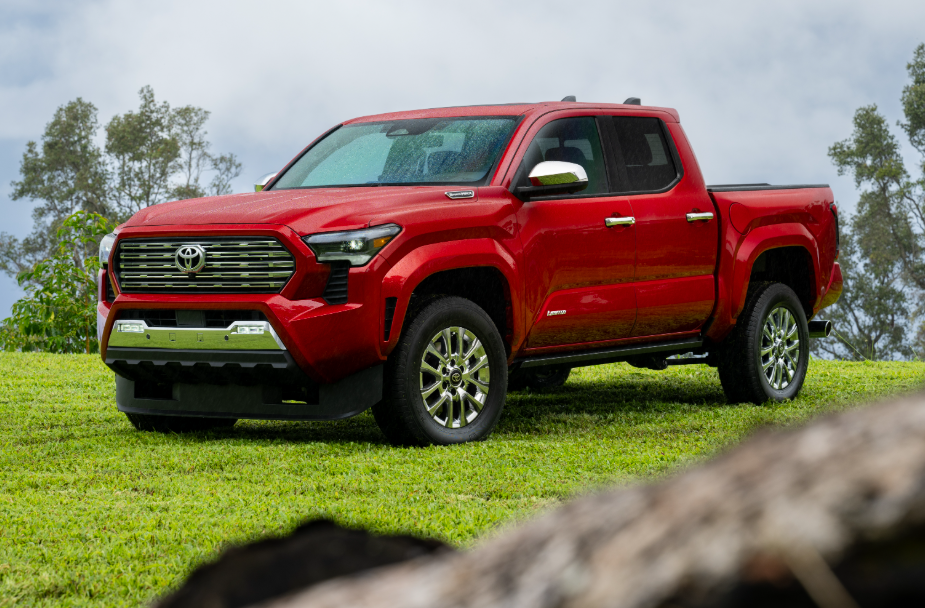
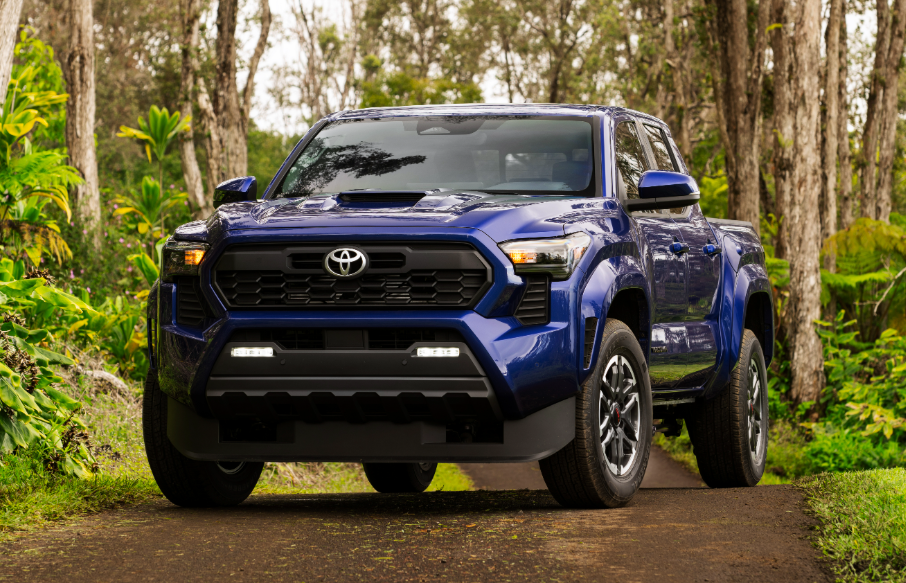
Red 2026 Toyota Tacoma parked in grass

2026 Toyota Tacoma TRD Off-Road vs. TRD Pro: Which Is Right for You?

Choosing between the Tacoma TRD Off-Road and the TRD Pro is one of the most common questions we hear from truck shoppers at Arlington Toyota. Both trims wear the TRD badge proudly, but they're built for different drivers with different priorities. The TRD Off-Road delivers impressive trail capability at a practical price point, while the TRD Pro packs factory hardware that rivals a lot of custom builds. If you're shopping for a 2026 Toyota Tacoma near Palatine, IL and want to know which trim earns your money, here's the breakdown. 2026 Tacoma TRD Off-Road vs. TRD Pro: Quick Comparison for Palatine Drivers The difference between these two trims comes down to performance ceiling and how you plan to use the truck. The Tacoma TRD Off-Road runs a 2.4L turbocharged i-FORCE engine paired with Bilstein® shocks, a locking rear differential (a system that locks both rear wheels together so they spin at the same speed for maximum traction in mud or snow), and serious all-terrain hardware. The TRD Pro steps things up with the standard i-FORCE MAX hybrid powertrain, FOX® internal bypass shocks, and a suspension setup tuned for higher-speed off-road driving. Both handle Midwest winters and gravel roads with confidence, but the TRD Pro is built for drivers who want the most the Tacoma platform can offer. Browse our 2026 Tacoma inventory near Palatine, IL and start narrowing down your fit. TRD Off-Road: Value-Packed Capability for Midwest Trails and Winters For most drivers in Chicagoland, the Tacoma TRD Off-Road hits a practical sweet spot. It brings genuine off-road credentials without pushing into premium truck territory. You get a capable truck that shrugs off snowy roads, plows through muddy forest preserves, and handles weekend camping runs with ease. Bilstein Shocks and Off-Road Hardware The TRD Off-Road comes standard with Bilstein® shocks, which offer noticeably better damping than the shocks on base trims. Toyota pairs those with an electronic locking rear differential, crawl control, multi-terrain select, and ATRAC active traction control. These are the same core systems that have helped the Tacoma build a loyal following among trail drivers for years. The all-terrain tires and 18-inch TRD wheels give the truck a purposeful stance that looks great on city streets while still handling loose terrain confidently. A TRD-stamped skid plate protects the underside on rocky trails, and the ground clearance is generous enough for the obstacles most Midwest drivers will realistically encounter. Everyday Versatility for Palatine Weather and Weekend Adventures The TRD Off-Road shines in how well it moves between daily driving and recreational use. Around Palatine, IL, that means handling winter slush without drama, gripping icy side streets, and still having enough left in reserve for a camping trip to the Kettle Moraine or a run through the Shawnee National Forest. The i-FORCE 2.4L turbocharged engine delivers strong torque for towing and hauling, so you're not giving anything up for daily use. This truck earns its keep every day of the week. TRD Pro: Ultimate Performance and Street Presence The TRD Pro is the top off-road Tacoma in the lineup, and it communicates that capability before you even turn the key. Everything on this trim is tuned for drivers who want more power, more suspension travel, and more confidence on challenging terrain. Standard 326-HP i-FORCE MAX Hybrid Powertrain Unlike the TRD Off-Road, the TRD Pro comes exclusively with the i-FORCE MAX hybrid powertrain. According to Toyota, this system combines a 2.4L turbocharged four-cylinder engine with an integrated electric motor to produce 326 hp and 465 lb-ft of torque. The electric motor fills in torque at low RPM, which is especially useful during slow, technical off-road maneuvers where precise throttle control matters. For everyday driving, the hybrid system also delivers better fuel economy than a traditional combustion-only setup, which matters when you're commuting through the suburbs daily. FOX Internal Bypass Shocks and Baja-Ready Chassis The TRD Pro's suspension is where it truly separates from the TRD Off-Road. Toyota fits it with 2.5-inch FOX® internal bypass shocks, which use a bypass tube design to let the shock move freely at low speeds while firming up under heavy impacts. This setup is derived from Baja desert racing technology and lets the truck absorb rough terrain at speed without the harsh, jarring feedback you'd expect. Toyota also adds TRD-tuned front springs that lift the front end slightly, improving approach angles and giving the truck its distinctive aggressive stance. Off-Road Tech and Capability Side-by-Side Both trims share a strong foundation of Toyota's proven off-road technology. Multi-terrain select, crawl control, ATRAC, and the electronic locking rear differential appear on both the TRD Off-Road and the TRD Pro. Neither truck is lacking the core features drivers need on the trail. Where they diverge is in the quality and capability of the components layered on top of that foundation, as shown below. Feature TRD Off-Road TRD Pro Engine 2.4L i-FORCE Turbo, 278 hp, 317 lb-ft 2.4L i-FORCE MAX Hybrid (standard), 326 hp, 465 lb-ft Shocks Bilstein® FOX® internal bypass Drive type Part-time 4WD Part-time 4WD Max towing 6,300 lbs 6,000 lbs (hybrid) Fuel economy 18/23 MPG 22/24 MPG (approx. 23 combined) The FOX shocks on the TRD Pro allow for noticeably more suspension travel than the Bilstein® units on the TRD Off-Road. In practical terms, the TRD Pro handles faster trail speeds and larger obstacles more comfortably. It also comes standard with 33-inch Goodyear Territory tires, giving it a taller contact patch and a more aggressive tread pattern right off the lot. The TRD Off-Road's setup is more than enough for most weekend trail drivers, while those who push their trucks hard on serious terrain will notice the extra margin of capability the Pro brings. Styling, Interior, and Pricing Differences On the outside, both trims have strong visual appeal, but the TRD Pro carries a more distinctive look. It comes in exclusive exterior colors not available on other trims, along with TRD Pro badging, a unique front grille treatment, and a more assertive overall presence. The TRD Off-Road looks athletic and purposeful but stays more restrained in its styling. Inside, the TRD Pro adds premium touches including TRD Pro branded seats, special stitching, and unique trim accents that mark it as the top-tier performance variant. Both trims come with Toyota's current infotainment system, but the TRD Pro's cabin feels more finished overall. The TRD Off-Road sits at a lower price point than the TRD Pro, which tracks with the difference in components and equipment. Buyers focused on value get an impressive return from the TRD Off-Road, while those chasing the top of the Tacoma lineup will find the TRD Pro justifies its premium. Which Tacoma TRD Trim Matches Your Driving Style? The honest answer depends on how and where you drive. Both trims are excellent. Matching the truck to your actual needs and budget is what really settles this decision. Choose TRD Off-Road If You Want Rugged Value A daily Chicagoland commute followed by an occasional forest-preserve trail run on the weekend is exactly what the Tacoma TRD Off-Road is built for. You get genuine off-road capability without paying for performance headroom you won't regularly use. The Bilstein® shocks, locking differential, and all-terrain package cover camping trips, hunting season, and snowy commutes without missing a beat, and you'll still drive one of the most capable mid-size trucks on the market. Choose TRD Pro If You Want Maximum Performance If your weekends call for aggressive off-road driving and you need serious capability on tougher terrain, the TRD Pro is the right call. It's the most performance-oriented factory Tacoma Toyota builds. If you run your truck hard on trails, prefer the i-FORCE MAX hybrid's power delivery, want FOX® suspension straight from the factory, or just want the flagship off-road trim, the TRD Pro delivers. It's also a strong long-term value since it holds resale well and turns heads in any configuration. It tends to move faster off dealer lots than the TRD Off-Road, so it's worth checking availability early if you've got your eye on one. Test Drive the 2026 Tacoma TRD Off-Road or TRD Pro at Arlington Toyota Arlington Toyota has been serving Palatine and the greater Chicagoland area since 1983 as a family-owned dealership with one of the largest Toyota inventories in the region. Our team knows Tacomas deeply, and inventory turns over at high volume, so it's worth exploring our full new Toyota truck lineup alongside the two TRD trims. Plan Your Visit You can reach our sales team at (844) 474-5287 during regular hours, Monday through Friday from 9:00 AM to 8:00 PM and Saturday from 9:00 AM to 6:00 PM. Once you own your Tacoma, our service department is available Monday through Friday from 6:00 AM to 7:00 PM and Saturday from 7:00 AM to 4:00 PM to keep it running at its best. Whether you're leaning toward the value-driven TRD Off-Road or ready to step into a TRD Pro, the best next step is a side-by-side test drive. Stop by 2095 N Rand Rd in Palatine, or get an online trade-in valuation before you visit so you know exactly where you stand on your next 2026 Toyota Tacoma near Palatine, IL.

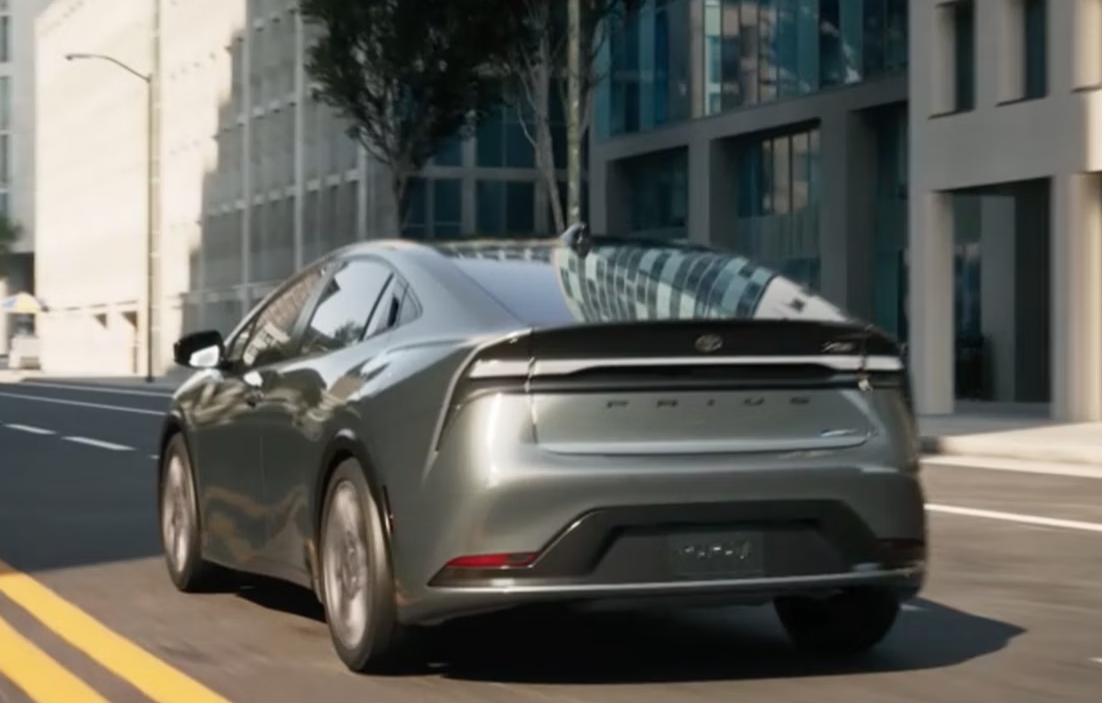
Gray Toyota Prius Plug-In Hybrid

2026 Toyota Hybrid SUVs & Cars: Complete Toyota Lineup Guide

Fuel costs are climbing, Chicago winters are unforgiving, and the daily grind on I-90 isn't getting any shorter. Toyota's 2026 hybrid lineup answers all three problems at once. Whether you're scanning for Toyota hybrid cars that fit a solo commute or need a capable hybrid SUV to haul the whole family, Toyota has expanded its lineup this year to cover nearly every use case. This guide walks through each model, plus our new Toyota hybrids for sale in Palatine, IL, so you can walk into Arlington Toyota already knowing what fits your life. Why Chicagoland Drivers Are Going Hybrid in 2026 Hybrid ownership in Chicagoland has shifted from a niche preference to a practical mainstream choice. Gas prices keep climbing, and Toyota has quietly gotten really good at hybrid tech, good enough that you're no longer trading performance for efficiency. Families in Palatine, Schaumburg, and Arlington Heights are also finding that the total cost of ownership makes a compelling case. Lower fuel bills add up over time, regenerative braking means less money spent on brake jobs, and Toyota's reliability holds up well past the five-year mark. Standard Electronic AWD: Built for Palatine Winters One of the most practical upgrades across the 2026 lineup is the widespread inclusion of electronic AWD. Unlike mechanical AWD systems that add significant weight, Toyota's electronic AWD uses a rear motor to distribute torque instantly without connecting to the drivetrain through a physical shaft. For drivers dealing with Palatine side streets after a February snowstorm, this means noticeably better traction and stability with no real penalty to fuel economy. It's a feature once reserved for premium trims that now comes standard on many hybrid configurations. Hybrid Efficiency for I-90 and Route 53 Commutes Stop-and-go traffic on I-90 or the Route 53 corridor is actually where Toyota hybrids perform best. The gas engine shuts off at low speeds and the electric motor takes over, so the most frustrating part of your commute ends up being the most fuel-efficient too. Commuters who drive heavy urban and suburban routes often see real-world fuel economy close to or exceeding EPA estimates, especially on the sedan and crossover models, and the quiet electric operation makes bumper-to-bumper traffic noticeably less stressful. 2026 Toyota Hybrid Cars & Sedans Toyota's hybrid sedan lineup has matured significantly heading into 2026. You can go as basic or as upscale as you want, starting with an efficient compact and topping out with a near-luxury option. Corolla Hybrid A 1.8L hybrid system produces 138 hp, with up to 53 city / 46 highway / 50 combined MPG on the LE FWD, and available electronic AWD (which brings the combined rating to 48 MPG). It carries Toyota Safety Sense as standard equipment, including pre-collision warning, lane departure alert, and adaptive cruise control. For first-time hybrid owners or city drivers who want easy parking, it's a low barrier to entry with a high ceiling of features. Camry Hybrid (Now Hybrid-Only) The Camry is hybrid-only for 2026, producing 225 hp in FWD form and 232 hp with AWD, rated up to 52 city / 49 highway / 51 combined MPG (LE FWD). A 12.3-inch touchscreen anchors the cabin. It suits professionals who spend long hours in the car and families who want something more refined than a compact. Prius The current Prius generation pairs a 2.0L engine producing 194 hp in FWD form and 196 hp with AWD, with combined fuel economy up to 57 MPG. For drivers whose primary goal is minimizing trips to the pump, this is the strongest argument in the lineup. Prius Plug-In Hybrid The Prius Plug-In Hybrid adds a larger battery pack chargeable from a standard outlet or Level 2 charger. The SE trim gets an EPA-estimated 44 miles of electric range, and hybrid mode runs up to 52 city and 127 MPGe combined (XSE and Nightshade trims are rated 48 city / 114 MPGe combined). Many drivers can complete an entire commute without using gasoline, and the system switches to hybrid mode on its own once the battery depletes. 2026 Toyota Hybrid SUVs The hybrid SUV segment is where Toyota's lineup is broadest. You've got compact crossovers, three-row family haulers, and off-road capable trucks all covered. Shoppers comparing options can browse new Toyota SUVs for sale in Palatine, IL to see current availability. Crown Signia Toyota's most upscale hybrid crossover pairs a 2.5L hybrid powertrain with standard AWD, producing around 240 hp and rated 39 city / 37 highway / 38 combined MPG. Drivers who want efficiency without giving up premium comfort will find it hits that balance well. Corolla Cross Hybrid With standard AWD delivering up to 196 hp, the Corolla Cross Hybrid is rated 46 city / 39 highway / 42 combined MPG; no FWD version is offered on the hybrid model. It sits between a compact car and a proper crossover, which works well for buyers who want a little more utility without the bulk of a mid-size SUV. RAV4 Hybrid The redesigned, now hybrid-only RAV4 is rated up to 47 city / 40 highway / 43 combined MPG in front-wheel-drive form on the top-efficiency trims, with AWD configurations coming in a few MPG lower and the off-road Woodland trim around 38 combined. Families who need room for weekend gear and safety features for school runs will find it one of the most balanced options in the mid-size crossover class. RAV4 Plug-in Hybrid The RAV4 Plug-in Hybrid steps up to 324 hp, with an EPA-estimated 54-mile electric range on the SE trim, approximately 40 combined MPG in hybrid mode, and 101 MPGe on the SE trim. For buyers who drive a predictable daily route and can charge at home or work, the plug-in version can dramatically reduce fuel usage over the standard hybrid. Highlander Hybrid The Highlander Hybrid delivers fuel economy around 35 city / 34 highway / 35 combined MPG. Despite the three-row footprint, it stays efficient, and the cabin layout works well for longer road trips. Grand Highlander Hybrid The standard hybrid delivers 245 hp, while the Hybrid Max version steps up to 362 hp. Fuel economy runs roughly 37 city / 34 highway / 36 combined MPG in FWD form, 36/32/34 with AWD, and around 26 combined for Hybrid Max. For larger families or frequent road trips with gear in tow, the extra interior space is immediately felt. 4Runner Hybrid The 4Runner's i-FORCE MAX hybrid system produces 326 hp and 465 lb.-ft. of torque, with an EPA-estimated 23 city / 24 highway / 23 combined MPG. Outdoor enthusiasts who were previously reluctant to go hybrid because of perceived limitations now have a genuine option that handles trails and delivers at the pump. 2026 Toyota Hybrid Trucks Hybrid technology has officially come to Toyota's truck lineup through the i-FORCE MAX powertrain, and neither model asks drivers to sacrifice the capability they need. Tacoma Hybrid i-FORCE MAX A turbocharged 2.4L engine paired with an electric motor produces 326 hp and 465 lb.-ft. of torque, with fuel economy around 23 MPG combined. This benefits work-use drivers who need immediate pulling power and off-roaders who want responsive power delivery on uneven terrain. Tundra i-FORCE MAX The Tundra's i-FORCE MAX system produces 437 hp and 583 lb.-ft. of torque, rated around 20 city / 24 highway / 22 combined MPG, and none of that comes at the cost of tow ratings or payload. For Chicagoland drivers who use a truck for both daily driving and serious work, hybrid trucks have clearly arrived and they're not going anywhere. Finding Your Perfect Hybrid Match at Arlington Toyota Arlington Toyota has been serving Palatine and greater Chicagoland since 1983, which means decades of experience matching drivers to the right vehicle. As one of the largest Toyota dealerships in the region, our inventory tends to be broad and turns over frequently, which works in buyers' favor when it comes to pricing and availability. Our sales team can walk you through specific configurations, trim comparisons, and financing options including leasing and trade-ins. For buyers interested in certified pre-owned Toyota hybrid cars, the CPO program backs eligible vehicles with a 160-point inspection, a 12-month/12,000-mile limited comprehensive warranty, a 7-year/100,000-mile limited powertrain warranty, and one year of roadside assistance. Toyota's hybrid battery warranty terms vary by component, so we encourage you to confirm specifics through our service center. Best for Daily Commuters If you're logging consistent miles on the I-90 corridor or the Route 53 stretch from Palatine to Rosemont, the Corolla Hybrid and Camry Hybrid stand out as the strongest daily driver choices. Both offer excellent fuel efficiency in mixed driving, strong safety packages, and interiors that hold up well to daily use. The Camry steps up in space and refinement for longer drives, while the Corolla keeps a smaller footprint if parking is a priority. Best for Families and Cargo Space For families, the RAV4 Hybrid hits the best balance of size, efficiency, and value in the crossover segment. If you need three rows, the Highlander Hybrid handles that without a major efficiency trade-off. For very large families or frequent road trips with gear in tow, the Grand Highlander Hybrid provides the most interior room in Toyota's hybrid lineup while still delivering solid fuel economy for its size. All three come with Toyota Safety Sense as standard equipment, which matters when kids are in the car. If tax incentives factor into your decision, eligibility and savings vary by vehicle and buyer; verify current details with the IRS, or with a tax professional. Explore Toyota Hybrids for Sale in Palatine Today Toyota's 2026 hybrid lineup covers more ground than it ever has. There's a realistic option whether you're buying your first car, replacing a family SUV, or looking for a truck that earns its keep on the weekday commute and the weekend jobsite. Across sedans, crossovers, and trucks, Toyota hybrid cars and SUVs have moved well past the early adopter phase and into the mainstream of smart vehicle ownership. Visit Us in Palatine Arlington Toyota is located at 2095 N Rand Rd in Palatine, IL, open Monday through Friday from 9:00 AM to 8:00 PM and Saturday from 9:00 AM to 6:00 PM. Reach the sales team directly at (844) 474-5287. Because our inventory is sourced independently rather than shared across other stores, you'll find a distinct selection here. Come browse current hybrid inventory, check today's finance incentives, and set up a test drive. If you want to talk through which hybrid fits your commute, your family, or your budget before you visit, our team is ready to help you narrow it down without pressure.

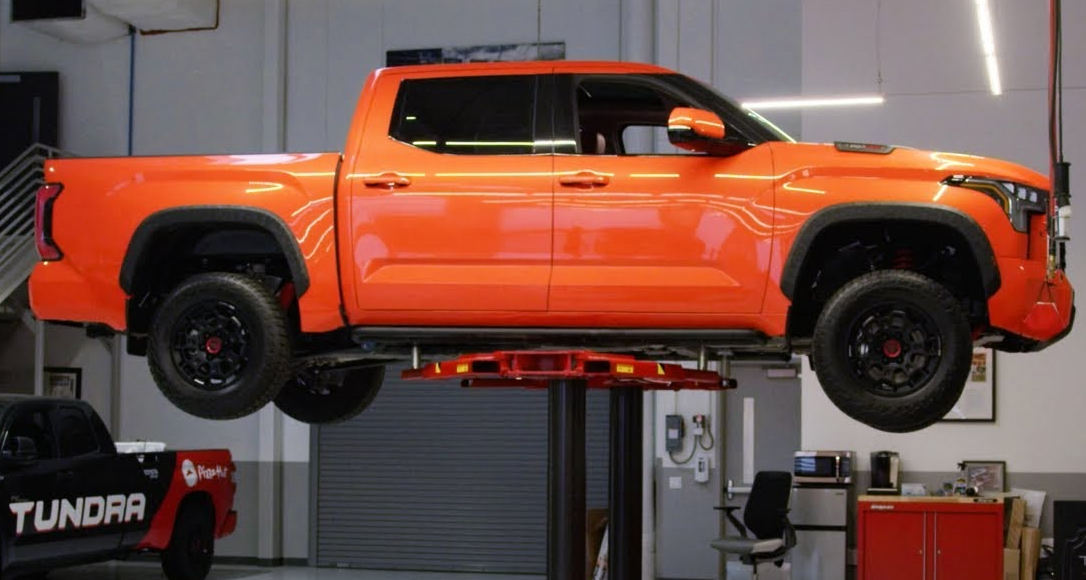
Toyota Truck Service

How to Maintain Your Toyota Truck: Tacoma & Tundra Service Guide

Toyota trucks are genuinely built to go the distance, but that durability only shows up when the maintenance actually gets done. Whether you're driving a Tacoma through city streets or pulling heavy loads with a Tundra, a consistent service schedule is what keeps things running reliably year after year. Skip the recommended intervals, and you risk mechanical problems while quietly giving away money at trade-in time. This guide covers what you need to know about maintaining both the Tacoma and the Tundra, including the service milestones that matter most, the items owners tend to overlook, and how local driving conditions around Palatine, IL, can influence your service needs. When you're ready to get started, schedule standard service with our team at Arlington Toyota. Why Following the Toyota Maintenance Schedule Protects Your Truck The Toyota maintenance schedule is a blueprint built from extensive engineering data. Toyota engineers design these intervals to catch small problems before they snowball into costly repairs. A well-maintained truck also builds a documented service history, which shows up clearly in resale and trade-in negotiations. Staying current also means trained technicians using Toyota Genuine Parts are the ones servicing your vehicle. Toyota trucks have specific torque specs, fluid requirements, and component tolerances that general service centers may not account for. Our certified technicians are equipped to handle these details properly, keeping your truck sound well past 100,000 miles. Toyota Tacoma Maintenance Schedule: Key Service Milestones The Tacoma's maintenance schedule is designed around a truck that handles everything from daily commuting to off-road use. Keeping up with it isn't complicated, but it does require consistency. Routine Intervals The foundational service tasks follow roughly every 5,000 miles or six months, whichever comes first: Oil and filter change (every 10,000 miles or 12 months under normal use with 0w-20 synthetic oil; every 5,000 miles under severe conditions such as towing or off-road use) Tire rotation Fluid checks: coolant, brake fluid, transmission fluid Multi-Information Display reset and inspection review Major Service Milestones At 15,000 miles, technicians run a full multi-point inspection and top off fluids across the board. The 30,000-mile service brings engine air filter replacement, a brake system inspection, and a coolant check. By 60,000 miles, spark plugs are due, along with a suspension inspection and a transmission fluid check. At 90,000 miles, the water pump, fuel system, and other major components all get a close look. These milestones are moments to audit the entire truck, not just top off fluids. Suspension components take a beating on a truck that sees regular use, and catching worn bushings or struts early prevents bigger handling issues down the road. Toyota Tundra Service Intervals: What Tundra Owners Need to Know The Tundra follows a similar rhythm to the Tacoma for basic intervals, but the specifics shift to reflect a larger, heavier-duty platform. The Tundra's engine is more powerful, its drivetrain components are more substantial, and many owners use it for towing and hauling, which puts extra stress on the whole system. The mileage milestones mirror the Tacoma's structure, but Tundra owners need to pay closer attention to transmission and cooling systems, given the demands of towing. If you regularly pull a trailer or carry heavy payloads, your service schedule may require more frequent fluid changes than the standard intervals suggest. We recommend discussing your typical driving and hauling habits with one of our service advisors to tailor the schedule to your actual use. Brake inspections deserve more aggressive attention on the Tundra as well. Towing increases brake stress significantly, and waiting for a warning sign before checking pads and rotors is a gamble that rarely pays off. How Tacoma and Tundra Maintenance Schedules Compare Both trucks share the same core Toyota maintenance schedule structure, but key differences reflect each vehicle's purpose. The table below highlights where the schedules align and where Tundra owners should apply additional scrutiny. Service Item Tacoma Tundra Oil change, normal use ~10,000 miles or 1 year ~10,000 miles or 1 year Oil change, severe/heavy use Every 5,000–7,500 miles Every 5,000–7,500 miles Engine air filter 30,000 miles 30,000 miles Spark plugs 60,000 miles 60,000 miles Transmission fluid Check at 60,000 miles More frequent under regular towing Brake system inspection 30,000 miles, then ongoing 30,000 miles; accelerated under towing Differential/transfer case fluid Required on 4WD models Required on 4WD models Cooling system (water pump, hoses) Check at 90,000 miles Check at 90,000 miles; closer monitoring under heavy loads A missed oil change on a Tacoma is a concern. On a Tundra that's been towing all summer, it can cause serious damage. Both trucks reward the same discipline: follow the Toyota maintenance schedule, use Toyota Genuine Parts, and don't wait for symptoms before booking an appointment. Maintenance Items Toyota Truck Owners Most Often Overlook Routine items like oil and tires get plenty of attention, but some service needs quietly slip past even diligent owners. Differential, Transfer Case, and Brake Fluids Differential and transfer case fluids top the list of overlooked items. These fluids have no dashboard warning light, so owners rarely think about them until something feels wrong. By then, gear wear is often already underway. Both the Tacoma and Tundra, especially 4WD and AWD configurations, rely on clean fluids in these components to deliver reliable performance on and off the road. Brake fluid is similarly easy to forget because it's out of sight and doesn't require frequent changes. It absorbs moisture over time, though, which lowers its boiling point and compromises braking efficiency. That's especially relevant if you do any towing. Flushing and replacing brake fluid at recommended intervals is a straightforward step that meaningfully improves safety. Air Filters, Spark Plugs, and Ignition Components The engine air filter degrades gradually rather than failing suddenly. Owners don't notice until fuel efficiency and throttle response have already slipped. Replacing it on schedule is one of the simplest and most cost-effective services available. The cabin air filter has the same out-of-sight problem. It's tucked behind the glove box, easy to forget, and replacement is quick. Neglecting it means reduced airflow through the HVAC system and more dust and allergens in the cabin. Spark plugs wear slowly without triggering obvious symptoms. A degraded plug makes the engine work harder and burn more fuel. On the Tundra's larger engine, inefficient combustion affects performance noticeably over time. Ignition coils should also be inspected periodically if you notice any hesitation or rough idle. How Palatine-Area Driving Conditions Affect Your Service Schedule Living and driving around Palatine, IL, introduces variables that a standard maintenance schedule doesn't always account for. Winter and Road Salt Illinois winters bring road salt, freeze-thaw cycles, and repeated cold starts that accelerate wear on fluids, brakes, and undercarriage components. Before winter, we recommend: Fresh oil and filter suited to cold-weather viscosity requirements Coolant system check for freeze protection Battery and charging system inspection Brake inspection, including lines and hardware for early corrosion After heavy snow and salt exposure, schedule an undercarriage rinse and a brake line inspection. Salt accumulation accelerates corrosion on components that are expensive to replace if left unchecked. Summer and Stop-and-Go Commuting Stop-and-go traffic through the Chicagoland area is tougher on brakes and transmission fluid than steady highway driving. Before summer: Inspect cooling system hoses, belts, and coolant concentration Check tire pressure and tread depth as heat cycles affect both Confirm air filter condition ahead of summer driving demands Toyota's guidelines classify certain driving patterns as "severe use," including frequent short trips, extreme temperature driving, and regular towing. Under these conditions, shortening your intervals for oil and transmission fluid is a Toyota maintenance recommendation, not optional caution. If your Tacoma or Tundra fits this profile, schedule standard service so we can help set the right intervals for your actual driving habits. Keeping Your Toyota Truck on Track with Arlington Toyota For Tacoma and Tundra owners across the Palatine area, our service department is staffed by certified Toyota technicians with access to Toyota Genuine Parts and current diagnostic tools. We understand the specific demands these trucks face, whether you're commuting through Chicagoland, hauling gear on weekends, or dealing with another Illinois winter. Whether you're coming in for a routine oil change, a major mileage milestone, seasonal prep, or something more involved, staying connected with a service team that knows your truck is one of the smartest long-term decisions you can make. A service appointment today prevents far more expensive repairs down the road and keeps your truck doing exactly what it was built to do. If you're also considering an upgrade, explore our Toyota truck lineup to see current Tacoma and Tundra inventory. And when you're ready for service, book directly through our scheduling page to get your truck in as quickly as possible.

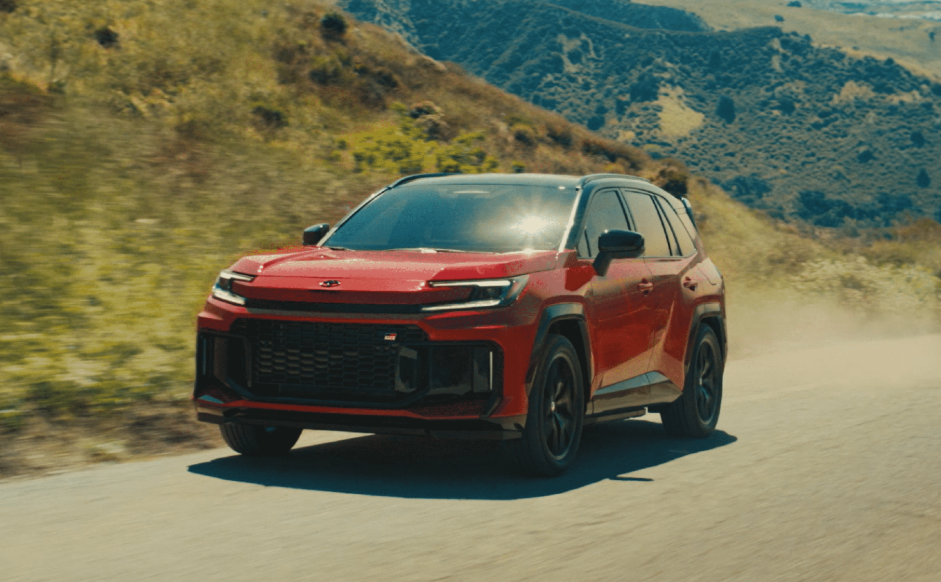
Red 2026 Toyota RAV4 driving on road

2026 Toyota RAV4 Trim Levels Explained: Which One Is Right for You?

The compact SUV segment is crowded, but the Toyota RAV4 has held its ground year after year. With the 2026 model year, Toyota keeps refining what already works while offering a trim lineup broad enough to suit nearly any driver. If you're trying to figure out which 2026 RAV4 trim actually fits your life, this breakdown will help you get there. Why the 2026 Toyota RAV4 Is Still the RAV4 to Beat Few vehicles have stayed this relevant for this long. The RAV4's continued success comes down to a straightforward formula: real fuel efficiency and a versatile design that doesn't force buyers to give anything up. Toyota has built on that foundation for decades, and the 2026 lineup continues that tradition while expanding to better reflect how different buyers actually live and drive. Families are drawn to the spacious interior and consistent safety scores, while weekend adventurers gravitate toward the all-wheel drive capability. Upper trims cover the tech side thoroughly. That breadth of appeal is exactly why the RAV4 is such a strong reference point in its class, and why each 2026 trim takes a meaningfully different direction. What Every 2026 RAV4 Trim Has in Common Regardless of budget or lifestyle, every 2026 RAV4 starts from the same solid foundation. Toyota's updated driver-assist and safety tech is standard across the entire lineup, not a premium add-on. For families and safety-conscious buyers, that matters enormously. All trims also offer hybrid power and available all-wheel drive, reflecting Toyota's continued push toward fuel efficiency and versatility. Wireless Apple CarPlay and Android Auto compatibility come standard as well. Every buyer gets a capable, connected RAV4 from the moment they choose any trim. A Closer Look at Each 2026 Toyota RAV4 Trim Level The six trims in the 2026 RAV4 lineup each take that shared foundation and build in a specific direction. RAV4 LE: The Smart, Value-Packed Starting Point The LE is where the 2026 RAV4 trims begin, and it's a stronger starting point than most entry-level trims tend to be. Toyota hasn't stripped it down to push buyers upmarket. You get the full driver-assist suite, wireless smartphone integration, and solid hybrid efficiency in a well-constructed interior built for everyday practicality. For Palatine-area commuters who want a reliable, well-rounded RAV4 without paying for features they won't regularly use, the LE makes a compelling case. RAV4 XLE Premium: Elevated Comfort for Everyday Commuters The single biggest upgrade at this level is the interior: SofTex-trimmed seats replace the base upholstery, and heated front seats add genuine comfort during Chicagoland winters. Wireless charging, additional USB-C ports, and a power liftgate round out the convenience upgrades, creating a noticeably more refined daily driving experience. The XLE Premium is a sweet spot in the lineup for families and regular commuters who want quality-of-life improvements without crossing into luxury territory. RAV4 SE: Sport Styling That Stands Out The SE takes a different approach. Instead of adding comfort features, it leans into sport-inspired aesthetics. The 18-inch multi-spoke black sport alloy wheels and blue interior stitching give this trim a visually distinct identity that the trims on either side don't share, and the dark chrome exterior accents reinforce that personality throughout. This isn't a dedicated performance RAV4, but it's clearly built for drivers who want their SUV to have some character. If you value how a vehicle looks as much as how it drives, the SE earns its place in the lineup. RAV4 XSE: Bold Personality for the Spirited Driver The XSE takes the SE's energy and adds serious technology. The centerpiece is the 12.9-inch Toyota Audio Multimedia system, which brings a substantially larger and more capable display to the cabin. It also gets 20-inch multi-spoke black sport alloy wheels, a power tilt/slide moonroof, and the Panoramic View Monitor with a 3D 360-degree overhead view. That's a genuinely meaningful step up from the SE, not just a cosmetic one. The XSE is aimed at tech-savvy, style-conscious shoppers who don't want to give up either. It blends premium technology with sport-forward design in a way that feels intentional rather than assembled from a parts list. RAV4 Woodland Edition: Built for the Road Less Traveled For drivers who treat weekends as an invitation to explore, the Woodland Edition is the obvious choice. Toyota built this trim specifically for outdoor use, equipping it with all-terrain tires, ground-clearance-oriented tuning, raised roof rails with cross bars, integrated LED fog lights, and a standard tow hitch. The interior carries that rugged theme through as well. What makes the Woodland Edition stand out in any trim comparison is how well it balances trail-ready capability with everyday usability. You're not giving up the RAV4's core comfort and technology to gain off-road confidence. It's built for someone who might hit a northwest suburbs school run on Tuesday and a forest trail on Saturday without wanting two different vehicles. RAV4 Limited: The Fully Loaded Flagship Experience The Limited sits at the top of the 2026 RAV4 trim levels, and it earns that position through specific, meaningful upgrades. SofTex-trimmed seats are paired with both heating and ventilation up front, a combination that makes seasonal driving genuinely comfortable. Dual Qi wireless charging keeps devices powered without cable clutter. A 9-speaker JBL Premium Audio system and panoramic glass roof come standard, and an available digital rearview mirror that rounds out a package rivaling luxury-branded competitors at a Toyota price point. If you want the most polished version of the RAV4, the Limited delivers without asking you to step outside the Toyota family. 2026 RAV4 Trim Levels Compared: A Quick-Reference Breakdown Trim Best For Main Appeal LE Budget-conscious buyers Full safety tech and hybrid efficiency at the entry level XLE Premium Commuters and families SofTex seats, heated fronts, power liftgate, wireless charging SE Style-focused drivers Sport alloy wheels, dark chrome accents, blue stitching XSE Tech and performance enthusiasts 12.9-inch multimedia, 20-inch wheels, moonroof, Panoramic View Monitor Woodland Edition Outdoor adventurers All-terrain tires, tow hitch, ground-clearance tuning, roof rails Limited Luxury-leaning families JBL audio, ventilated seats, dual Qi charging, panoramic glass roof The 2026 Toyota RAV4 trim comparison reflects genuine lifestyle differences, not just price steps. How to Choose the Right 2026 RAV4 Trim for Your Lifestyle Understanding the features across each trim is only half the job. The other half is being honest about how you actually drive and what you genuinely need. Think about your daily routine first. A commuter who values cabin comfort and convenience will likely feel right at home in the XLE Premium. Someone who drives with more style in mind might find the SE more satisfying. Tech-savvy drivers who want a premium multimedia experience alongside bold looks should look closely at the XSE. Your environment matters too. If your ideal weekend involves a campsite or a trailhead, the Woodland Edition was built with you in mind. If you rarely leave paved roads but want a premium, fully loaded experience, the Limited is worth serious consideration. The LE serves buyers who want everything essential without paying for extras they won't use. It's also worth noting that Toyota's driver-assist and safety tech comes standard across all six trims, so you're never trading safety features for affordability. Advanced multimedia, premium audio, and luxury comfort upgrades are concentrated in the upper trims for buyers who prioritize them. Explore the 2026 Toyota RAV4 Lineup at Arlington Toyota Arlington Toyota in Palatine, IL has served the greater Chicagoland area since 1983, and we carry a wide selection of new RAV4 models across the full trim lineup. We're happy to walk you through the differences between 2026 RAV4 trims in person, answer specific questions, and set up a test drive so you can experience the RAV4 firsthand. Financing, leasing, and trade-in are all available, and our team can help you sort through the options without pressure. Browse our current 2026 RAV4 inventory to see what's in stock, or explore our full SUV lineup if you'd like to compare options before deciding. You can also reach our sales team at (844) 474-5287, Monday through Friday from 9:00 AM to 8:00 PM and Saturday from 9:00 AM to 6:00 PM, or stop by at 2095 N Rand Rd, Palatine, IL. We're ready when you are.

Red 2026 Toyota Tacoma

2026 Toyota Tacoma vs. 2026 Chevy Colorado: Which Midsize Truck Should You Buy?

Choosing a midsize truck has never been more competitive. The 2026 Toyota Tacoma and 2026 Chevy Colorado sit at the top of this segment for good reason, each offering solid capability alongside real-world usability. Put them side by side, though, and genuine differences emerge that matter depending on how you actually use your truck. Why Palatine Drivers Are Cross-Shopping the 2026 Tacoma and Colorado If you're driving Route 53 every morning, hauling mulch for weekend yard projects, or loading up for a camping trip to the Chain O' Lakes, you need a truck that handles all of it without compromise. That's exactly why drivers in and around Palatine, IL are comparing the 2026 Toyota Tacoma and the Chevrolet Colorado before buying. Both trucks carry strong reputations, modern powertrains, and the kind of utility Illinois drivers rely on year-round. The Tacoma leans into durability, hybrid efficiency, and off-road capability. The Colorado counters with powerful standard output, a tech-forward interior, and higher maximum towing and payload ratings. Neither is a bad choice, but the right one depends on what you're asking it to do. View our new vehicle inventory to see what's currently available. Quick Comparison: 2026 Tacoma vs. 2026 Colorado Aspect 2026 Toyota Tacoma (Base) 2026 Toyota Tacoma (i-FORCE MAX) 2026 Chevrolet Colorado Engine 2.4L Turbo 4-cyl 2.4L Turbo Hybrid 2.7L TurboMax 4-cyl Horsepower 228 hp (SR) / 278 hp (SR5+) 326 hp 310 hp Torque 243 lb-ft (SR) / 317 lb-ft (SR5+) 465 lb-ft 430 lb-ft Hybrid Available Yes Yes No Off-Road Trims TRD Off-Road, TRD Pro TRD Off-Road, TRD Pro ZR2 A Closer Look at the 2026 Toyota Tacoma The Tacoma has spent decades building a reliability reputation that few trucks in any class can match. For 2026, it builds on that foundation with refined powertrains, updated safety systems, and improved interior quality. What Makes the Tacoma Stand Out The standout available feature is the i-FORCE MAX hybrid system, which pairs a 2.4L turbocharged four-cylinder with an electric motor to produce 326 hp and 465 lb-ft of torque. That's hybrid performance that meaningfully outpaces many gas-only competitors in the segment. Non-hybrid trims hold their own too: the SR produces 228 hp and 243 lb-ft, while the SR5 and higher trims step up to 278 hp and 317 lb-ft. The Tacoma also offers significant flexibility in cab styles and bed lengths, letting you tailor the truck to specific hauling or passenger needs. Trim levels run from the accessible SR up through the TRD Pro, a purpose-built off-road trim with a trail-tested reputation built over decades of real-world development. Every 2026 Tacoma comes standard with Toyota Safety Sense, including pre-collision warning with automatic braking, lane departure alert, automatic high beams, and radar cruise control. You can explore the 2026 Tacoma lineup to see current configurations and trim options. Tacoma's Off-Road Credentials and Everyday Versatility Off-road, the Tacoma is in its element. Features like Multi-Terrain Select, Crawl Control, and an available locking rear differential deliver genuine capability on dirt, mud, and loose terrain. The TRD Off-Road trim adds Bilstein monotube piggyback reservoir shocks, while the TRD Pro rides on FOX QS3 adjustable shocks with remote rear piggyback reservoirs, along with skid plates and factory-tuned off-road suspension. What often surprises buyers is how well the Tacoma transitions back to everyday use. Ride quality on paved roads has improved significantly in recent generations, and the available 14-inch touchscreen with wireless smartphone integration keeps daily connectivity straightforward. It's a truck you can take off the beaten path Saturday and still want to drive to work Monday. A Closer Look at the 2026 Chevrolet Colorado The Chevy Colorado has gone through a significant reinvention in recent years, and the 2026 model continues that momentum with a strong standard engine, a modern cabin, and a more aggressive design. What the Colorado Brings to the Table The Colorado's 2.7L TurboMax engine produces 310 hp and 430 lb-ft of torque across the lineup, delivering serious pulling power from the base configuration. For drivers who regularly haul equipment, tow a trailer, or need a truck that earns its keep on job sites, the Colorado's standard output is a genuine advantage over the Tacoma's non-hybrid trims. The cabin is another strong point. The Colorado features an 11.3-inch Google-built infotainment display with wireless Apple CarPlay and Android Auto, and the crew cab layout offers generous space for families or work crews spending long hours in the truck. Colorado's Strengths and Where It Falls Short The Colorado's ZR2 trim is also a capable off-road option, with Multimatic DSSV dampers, locking differentials, and an aggressive underbody package. Without a hybrid option, however, the Colorado burns more fuel than the Tacoma in most driving scenarios, which adds up quickly on Chicagoland commutes. And while Chevy has improved quality in recent years, the Tacoma's long-term ownership record, including resale value and lower average maintenance costs, gives it a meaningful edge over 8 to 10 years of ownership. Capability and Performance: Handling Illinois Roads and Beyond Illinois driving demands range. Cold winters, pothole-scarred city streets, gravel roads north and west of Chicago, summer hauls to Wisconsin lakes. The conditions shift constantly and ask different things from a truck. Both the Tacoma and Colorado handle this variety, but they approach it differently. The Tacoma's i-FORCE MAX hybrid powertrain is particularly well-suited to stop-and-go commuting, where electric assist adds up in fuel savings over time. Its suspension tuning also handles uneven pavement well. The Colorado shines when moving weight: if towing a boat or hauling gear for a weekend project is a regular use case, the TurboMax engine delivers confidence under load. For drivers who split time evenly between city driving and outdoor adventure, the hybrid question often decides it. The Tacoma offers an efficiency tier the Colorado simply doesn't have. Contact our team to schedule a test drive and we'll walk you through both options in person. Technology, Comfort, and Daily Drivability Both trucks have grown up considerably in terms of technology. The Tacoma's 14-inch touchscreen runs Toyota's latest multimedia platform with wireless smartphone integration and over-the-air update capability. Toyota Safety Sense features, standard across all trims, also contribute to a lower-stress daily driving experience. The Colorado's Google-built system is genuinely capable, especially for users embedded in the Google ecosystem. Voice commands, app integration, and display clarity make it easy to use on the move. Where the Tacoma holds a subtle advantage is in overall cohesion: the technology, safety features, and driving dynamics feel deliberately tuned to work together, the product of iterative development over many model years. The Colorado feels modern, but the Tacoma feels refined. Reliability, Ownership Costs, and Long-Term Confidence The Tacoma's reliability record is exceptional by almost any measure. It consistently earns strong scores from long-term owners, holds its resale value better than nearly any other truck in the segment, and carries lower average maintenance costs over the life of ownership. That track record is difficult to ignore for buyers planning to keep their truck for a decade or more. The Colorado has improved its reliability profile, and Chevy backs it with a competitive warranty. But when comparing long-term ownership studies and owner reports, the Tacoma maintains a consistent lead. That difference translates directly into peace of mind and lower total cost over time, factors that matter just as much as the sticker price. 2026 Toyota Tacoma vs. Chevy Colorado: Which Truck Is Right for You? Both are good trucks. The best choice comes down to priorities. The 2026 Tacoma is the stronger fit if you want: Proven long-term reliability and a strong ownership record Better fuel economy through the available hybrid powertrain Serious off-road ability, particularly in TRD Off-Road or TRD Pro trim Lower ownership costs and stronger resale value over time The 2026 Colorado is worth a serious look if you want: The highest standard towing and payload numbers in this comparison A turbocharged engine with strong output and no hybrid system to maintain A spacious crew cab with a modern, Google-integrated infotainment setup For most Palatine-area drivers who split time between daily commuting and weekend use with occasional hauling, the Tacoma's reliability and hybrid efficiency make it the more well-rounded choice. The Colorado leads on raw power and payload, but the Tacoma wins on the long game. Browse our full midsize truck inventory to compare available configurations side by side. Explore the 2026 Tacoma at Arlington Toyota If the 2026 Tacoma is the right truck for you, Arlington Toyota is the place to experience it. Located at 2095 N Rand Rd in Palatine, IL, we've been serving the greater Chicagoland area as a family-owned dealership since 1983, with one of the largest Toyota inventories in the region. Our team can walk you through every Tacoma trim, compare specs side by side, and get you into a test drive so you can feel the difference firsthand. We also offer flexible financing and lease options to make the buying process straightforward, along with trade-in appraisals and certified pre-owned vehicles backed by a full warranty and roadside assistance. Reach us at (844) 474-5287 to browse current inventory and schedule your visit.

Blue 2026 Toyota Tacoma Truck

How Long Do Toyota Trucks Last? What Buyers Should Know Before Choosing Tacoma or Tundra

If you're shopping for a truck and wondering whether Toyota's reliability reputation holds up in the real world, the short answer is yes. The longer answer is about understanding what that reputation actually looks like over a decade of ownership, especially when you're comparing two trucks with pretty different personalities. Whether you're eyeing a Tacoma for weekend trails or a Tundra for hauling gear across the northwest suburbs, here are honest, data-grounded answers before you commit. Browse new trucks at Arlington Toyota to see what's in stock, or keep reading to figure out which model actually fits your life. How Long Do Toyota Trucks Actually Last? The Honest Answer Toyota trucks have a well-earned reputation for outlasting what most buyers expect from a pickup. Both the Tacoma and Tundra routinely hit 250,000 miles with consistent maintenance, and high-mileage examples going well beyond that are genuinely common. Toyota designed these trucks with durability as a priority, leaning toward proven, straightforward powertrains rather than overly complex systems that get expensive as miles pile up. What separates Toyota pickups from the competition isn't just build quality in isolation. It's the combination of reliable powertrains, solid materials, and a track record built across millions of vehicles. For buyers who want a truck they can count on for the long run, the data keeps pointing in the same direction. Tacoma vs. Tundra: Understanding the Reliability Differences Both trucks reflect Toyota's commitment to quality, but they're built for very different jobs. The Tacoma is a midsize pickup with off-road agility and everyday usability in mind. The Tundra is a full-size workhorse designed for heavy towing, bigger payloads, and buyers who need serious capacity. Here's how they stack up on key specs: Category Toyota Tacoma Toyota Tundra Engine/Powertrain 2.4L turbo-4 (4th gen, 2024+) Twin-turbocharged V6 (3rd gen, 2022+) Drivetrain Options RWD, 4WD RWD, 4WD Transmission Automatic (varies by configuration) Automatic (varies by configuration) Horsepower/Torque Varies by configuration Varies by configuration Fuel Economy 18 - 23 mpg city / 23 - 26 mpg highway Varies by configuration Reliability/Longevity 25.3% reach 250K miles (5.3x industry average); 300K+ regularly reported 30.0% reach 250K miles (6.3x industry average) Toyota Tacoma Longevity and What High-Mileage Owners Report Tacoma owners consistently report their trucks staying mechanically solid well past 200,000 miles, often needing little beyond routine maintenance. According to iSeeCars data, Tacomas have a 25.3% chance of reaching 250,000 miles, and plenty of owners report hitting 250,000 to 300,000 miles with proper care. The Tacoma also ranked as the most dependable midsize truck in J.D. Power's 2026 U.S. Vehicle Dependability Study, which is strong external confirmation of what owners have been saying for years. RepairPal gives the Tacoma a 3.5 out of 5.0 reliability rating, placing it 7th out of 7 midsize trucks. That ranking is worth understanding in context: it reflects the severity and cost of repairs when they occur, not how frequently they happen. Average annual repair costs run around $478, and owners encounter unscheduled repairs roughly 0.3 times per year compared to a 0.2 industry average. The probability of a severe repair sits at 17% versus a 13% industry benchmark. Not perfect, but when problems do come up, they tend to be manageable rather than catastrophic. One thing used Tacoma buyers should know: second-generation models (2005 - 2010) had documented frame rust problems in areas with heavy road salt use. That's a real concern here in Chicagoland, where salt is basically a seasonal fixture from November through March. Fourth-generation Tacomas (2024+) have addressed these structural issues, but it's still worth a close look on any older used truck. Toyota Tundra Durability and What Heavy Use Looks Like Over Time The Tundra takes everything the Tacoma does well and scales it up for harder work. Toyota built this truck to absorb heavy loads over years of consistent use, and long-term owners confirm it delivers on that promise. According to iSeeCars, Tundras have a 30.0% chance of reaching 250,000 miles, which is more than six times the industry average. Second-generation models (2007 - 2021) powered by the 5.7L V8 are especially well-regarded for clearing 300,000 miles. The third-generation Tundra (2022 to present) introduced twin-turbocharged engines, and while their long-term track record is still developing, early reliability signals look promising. The Tundra earns a 3.5 out of 5.0 from RepairPal, landing 6th among 17 fullsize trucks. Owners spend about $606 yearly on repairs, well under the $936 segment average. Shop visits average 0.3 per year, and while 18% of repairs qualify as major, that matches what's typical for the class. Translation: issues are uncommon, even if the ones that surface carry some weight. If you regularly tow a boat up to Wisconsin, haul materials for projects, or need to move a full crew around reliably, the Tundra holds up under that kind of real-world demand. Maintenance Habits That Make or Break Long-Term Toyota Truck Ownership Even the most reliable trucks age faster without consistent care. In Chicagoland, that's especially true. Road salt accelerates undercarriage corrosion, cold starts stress batteries and engine components, and freeze-thaw cycles wear on seals and suspension parts faster than most climates. Staying on top of maintenance here isn't just good habit; it's the difference between a truck that makes it to 150,000 miles and one that's still running strong at 300,000. Key Maintenance Practices Newer Tacoma and Tundra models typically run synthetic oil with change intervals around every 10,000 miles, though some configurations call for 5,000-mile intervals. Spark plug replacement ranges from 30,000 to 100,000 miles, depending on model year. Brake inspections, fluid checks, and undercarriage washes after salt exposure are all worth staying current on, particularly through winter. Using genuine Toyota OEM parts matters more than people often realize. Aftermarket alternatives may look cheaper upfront but can introduce fit and reliability issues that compound over time. Catching small problems early is almost always far less expensive than letting them develop into major repairs. For Tacoma and Tundra owners in the northwest suburbs, keeping up with service is easier with a trusted shop nearby. You can schedule a service appointment with our team online anytime. True Cost of Owning a Toyota Truck Over the Long Haul Sticker price is only one part of the financial picture. Real ownership costs include maintenance, repairs, fuel, and what the truck is worth when you eventually sell or trade it. Repair Costs and What to Expect The Tacoma's average annual repair cost of $478 is competitive for the segment. Most issues that do come up tend to be moderate in scope rather than the kind of surprise that wrecks a budget. Fewer complex systems mean fewer expensive diagnostic visits and less exposure to cascading repair problems. The parts ecosystem for both models is well-established, which keeps components accessible and reasonably priced. That advantage compounds meaningfully over time. A truck that avoids major unexpected repairs across a decade of ownership isn't just less stressful to live with; it's noticeably cheaper in total. Resale Value and Why It Works in Your Favor Toyota trucks hold their value better than most of the competition. The Tacoma retains about 80.1% of its value after five years, and the Tundra holds roughly 78.6%. Those numbers give you real financial leverage at trade-in time. For anyone planning to own their truck five to eight years, strong resale performance meaningfully reduces the effective cost of ownership compared to competitors that depreciate much more aggressively. What to Look For When Buying a Used Toyota Truck Used Toyotas hold up well, but a solid inspection still matters. A few things worth checking: Review the full maintenance history before committing. A truck with consistent, documented service is far more trustworthy than one with gaps. Inspect the frame and undercarriage closely for rust, especially on second-generation Tacoma models (2005 - 2010). This is critical in Chicagoland given the salt exposure. Watch for transmission hesitation, rough shifting, or delayed engagement on your test drive. Listen for unusual engine noise at startup and under load, including ticking, knocking, or irregular idle. Pull a Carfax or AutoCheck report and confirm the title is clean with no undisclosed accidents. For added peace of mind, certified pre-owned Toyotas go through a 160-point inspection and come backed by a 12-month/12,000-mile limited comprehensive warranty, a 7-year/100,000-mile limited powertrain warranty, and a year of roadside assistance. Our pre-owned vehicle inventory also includes non-CPO options if you're working within a specific budget. Which Toyota Truck Fits Your Life in the Northwest Suburbs? Living in the Chicago metro means your truck needs to handle highway commuting, suburban errands, winter driving, and whatever else your routine throws at it. Go with a Tacoma if you want a more maneuverable daily driver that's still capable off-road, easier to park in tighter spots, and practical for weekend use. At 18 - 23 mpg city and 23 - 26 mpg highway, it's also more fuel-efficient for commuters putting in regular highway miles. Browse new Tacoma inventory to see current trims and configurations. Go with a Tundra if you regularly tow a boat, haul heavy materials, or need a truck that earns its keep as a genuine working vehicle day in and day out. Its size stops being a limitation the moment you're actually working the truck hard. Browse new Tundra inventory to see what's available. Both models handle Illinois winters well. The decision really comes down to how hard you'll be working the truck versus how much of its life will be everyday driving. Explore Toyota Trucks at Arlington Toyota Arlington Toyota is located at 2095 N Rand Rd in Palatine, IL, and has served the greater Chicagoland area as a family-owned dealership since 1983. We carry a consistently strong inventory of new and pre-owned Tacoma and Tundra models across multiple trims and configurations. Ready to Find Your Truck? Whether you're buying new or used, our team is here to help you find the right fit. We run a full-service department with genuine Toyota parts and a collision center for complete ownership support. When you're ready to take the next step, contact us or stop by to talk through your options in person.

Toyota Down Payment on Car

Down Payment on a Car: How Much Should You Put Down?

Buying a car is one of the biggest financial decisions most people will ever make, and the down payment is one of the first real choices you'll face. Get it right and you set yourself up for manageable monthly payments and a loan that actually works in your favor. Get it wrong and you could end up underwater on a vehicle before your first oil change. This guide gives Palatine-area shoppers a practical framework for thinking through that decision. Keep in mind this is general educational content, not personalized financial advice. Your specific situation may differ, and speaking with a finance specialist is the best way to find the right approach for you. What Is a Down Payment on a Car (and Why Does It Matter)? A down payment is the upfront cash you pay toward the purchase price before financing kicks in. It's not just a formality. What a down payment actually does reveals why lenders care about it so much: it directly reduces the amount you need to borrow, which affects everything from your monthly payment to your interest rate. Say you're buying a $35,000 vehicle and you put $7,000 down. You're now financing $28,000 instead of the full price. That smaller loan balance means lower monthly payments and less total interest paid over the life of the loan. It also signals to lenders that you're a lower-risk borrower, which can open the door to better financing terms. There's another reason a solid down payment matters: depreciation. New vehicles typically lose around 20% of their value in year one alone, according to industry data. Without enough money down, your loan balance can easily exceed what the car is actually worth, a situation known as negative equity or being "upside down" on your loan. A meaningful down payment creates a financial cushion that protects you from that. What's the Average Car Down Payment and Should You Match It? Based on Q1 2026 automotive finance data, the average new car down payment sits at roughly $6,200, representing about 13-15% of the vehicle price. Industry benchmarks recommend 15-20% for new vehicles and 10-15% for used ones. These guidelines exist to keep monthly payments manageable, reduce interest exposure, and help buyers avoid negative equity. To see how down payment size affects real loan costs, here's an illustrative comparison using a $40,000 vehicle at approximately 6.9% APR on a 60-month term. These are estimates for planning purposes only and are not guaranteed quotes: Down Payment Amount Financed Monthly Payment (est.) Total Interest (est.) 10% ($4,000) $36,000 ~$708 ~$6,466 15% ($6,000) $34,000 ~$668 ~$6,106 20% ($8,000) $32,000 ~$629 ~$5,747 Moving from 10% to 20% down on that vehicle saves roughly $720 in total interest and cuts the monthly payment by about $79. Over five years, those numbers add up in a real way. That said, matching the average isn't a universal rule. Someone with excellent credit and a healthy savings cushion might comfortably put down less. Someone with a lower credit score or tighter cash flow might benefit from stretching to put more down. If you'd like to explore what financing could look like for your situation, Arlington Toyota's finance center is a good place to start. The Real Factors That Shape Your Down Payment Decision Several real-world factors influence how much you should put down. Understanding each one helps you make a choice you won't regret later. Your Credit Score and Loan Terms Your credit score is one of the most powerful levers in the car financing equation. Prime borrowers (credit scores 661-780) currently see APRs of around 6.27% on new vehicles, based on Q4 2025 Experian data, while the overall new-vehicle average APR reached 6.9% in Q1 2026. Some credit unions, such as Connexus Credit Union, have offered rates as low as approximately 4.89% APR as of April 2026. A weaker credit score can result in higher rates and stricter loan conditions, which makes the size of your down payment far more consequential. A larger down payment reduces the loan-to-value ratio, which lowers the lender's risk. That can make lenders more willing to extend better terms, especially if your credit history has some rough patches. If your score isn't where you'd like it to be, putting more money down upfront can partially offset that disadvantage. Your Monthly Budget and Debt-to-Income Ratio Before settling on a down payment amount, take an honest look at your monthly obligations. Standard lender guidance suggests keeping your car payment to a manageable share of your take-home pay and total debt obligations below a comfortable threshold of your gross income. For context, Palatine, IL households carry a median income of approximately $97,819, which translates to a suggested car payment ceiling of roughly $700-$800 per month for a typical buyer, though individual circumstances vary widely. Just because you're approved for a large loan with minimal money down doesn't mean it's the right move. A larger down payment reduces that monthly figure, which can mean the difference between a payment that's manageable and one that creates constant stress. Don't drain your savings entirely to make it happen, though. Keeping an emergency fund intact matters more than maximizing your down payment. Loan Term Length and Vehicle Depreciation Longer loan terms spread payments out and make each one smaller, but you pay more total interest over time. With a 72-84 month term, there's also a real risk of owing more than the car is worth for an extended stretch, especially on a new vehicle depreciating roughly 20% in year one. A larger down payment can counteract this by giving you immediate equity and keeping you above water from the start. New Car vs. Used Car: Does the Down Payment Advice Change? The guidance shifts depending on whether you're buying new or used, and it comes down to depreciation timing. Here's a quick reference by vehicle type: Vehicle Type Recommended Down Payment Key Reason New Car 15-20% Fast depreciation; protects equity Used Car 10-15% Lower price point; slower depreciation Certified Pre-Owned 10-15% Predictable value; warranty coverage Leased Vehicle Little to none recommended Equity risk if vehicle is totaled or returned early New cars lose value quickly in the early years, which is why the recommended percentage runs higher. That larger upfront investment helps ensure your loan balance doesn't outpace the car's declining value. For used vehicles, the steepest part of the depreciation curve has already passed, so the risk of going underwater is lower. One thing worth noting for Chicagoland buyers: popular trucks and SUVs carry higher sticker prices. At 15-20%, you're looking at a larger absolute dollar amount compared to a sedan, so factoring that into your savings timeline well in advance is smart. Certified Pre-Owned vehicles occupy an interesting middle ground. Toyota Gold Certified Pre-Owned vehicles come backed by a 160-point inspection, a 12-month/12,000-mile limited comprehensive warranty, a 7-year/100,000-mile limited powertrain warranty, and 7-year/100,000-mile 24-hour roadside assistance. That coverage gives buyers real confidence when deciding how much to put down. If you're ready to explore what financing looks like for a specific vehicle, you can apply for financing online before visiting the dealership. Should You Put Down More or Keep Cash in Your Pocket? The case for a large down payment is compelling. You'll borrow less, pay less in interest, reduce your monthly obligation, and build equity faster. But there are real drawbacks to putting down more than you need to. The biggest one is liquidity. Tying up most of your available cash in a down payment can leave you exposed when an unexpected expense comes along. Car repairs, medical bills, a job disruption, any of these can create serious financial pressure, and depleted savings make those situations much harder to handle. Lower down payments are possible and common, but the real costs deserve honesty. Higher monthly payments, more total interest paid over the loan term, and the risk of negative equity are genuine trade-offs, especially on longer 72-84 month loans paired with a new vehicle that depreciates sharply in year one. The smarter play is usually to hit the recommended percentage, keep your savings intact, and then evaluate whether any remaining funds can reasonably go toward the purchase without compromising your financial cushion. How to Build Your Down Payment (Including Using a Trade-In) The most straightforward path is consistent saving over time, setting aside a specific amount each month in a dedicated account earmarked for your purchase. Tax refunds and work bonuses are excellent opportunities to accelerate that progress without disrupting your regular budget. Trade-In Tip: If you currently own a vehicle, its trade-in value works like a down payment. It reduces the amount financed, which lowers both your monthly payment and the total interest you'll pay over the loan. It's not cash in hand, but it functions exactly the same way by shrinking the loan principal. At Arlington Toyota, we evaluate your current vehicle on-site, apply the trade-in value directly toward your purchase, and adjust the financing accordingly. It's one of the most practical ways to transition from one vehicle to the next without saving an entirely fresh down payment from scratch. If you're still working out the numbers, running different down payment scenarios before you visit the dealership gives you a much clearer picture of what your options actually look like. Ready to Figure Out Your Down Payment? Working Through the Numbers Together Understanding how car down payments work is genuinely useful. Applying that knowledge to your specific situation, your credit, your budget, your vehicle preference, is where things get personal. We've been serving Palatine, IL and greater Chicagoland for decades, located at 2095 N Rand Rd off IL-53. Our finance team works with buyers across a wide range of financial situations, helping them figure out the right down payment strategy alongside the right vehicle. Whether you're looking at a new Toyota, a Certified Pre-Owned model, or a used car, truck, or SUV from our inventory, we can walk you through your options clearly and without pressure. Take the Next Step Reach our sales team at (844) 474-5287, Monday through Friday from 9 AM to 8 PM or Saturday from 9 AM to 6 PM. You can also explore your financing options anytime through Arlington Toyota's finance center. Getting the right number down from the start sets the tone for your entire ownership experience, and it's worth taking the time to do it right.

2026 Toyota Grand Highlander

2026 Toyota Grand Highlander Dimensions

Do the 2026 Toyota Grand Highlander dimensions suit your driving needs? Value your trade to learn how your current vehicle can help with your upgrade, then visit our dealership in Palatine to explore the 3-row Grand Highlander in person. Our finance team will help you navigate the leasing or buying process for a stress-free experience. Has your family outgrown your current vehicle? If you're in the market for a 3-row SUV that blends everyday practicality with premium features, the 2026 Toyota Grand Highlander is a wise choice. As the roomier sibling of the standard Toyota Highlander, the Grand Highlander offers more cabin space for family trips to Arlington Heights, which also means a larger exterior. Explore the Toyota Grand Highlander dimensions below with Arlington Toyota to learn more about its size. View New Toyota Grand Highlander Inventory Browse Our New Toyota Offers Toyota Grand Highlander Cargo Space & Passenger Room The 2026 Toyota Grand Highlander interior carries your family around Buffalo Grove in premium comfort, offering ample room for everyone to stretch out and relax. Whether you're traveling with a fully occupied cabin or utilizing the 60/40 fold-flat rear seats, the Toyota Grand Highlander cargo space accommodates everything you need for the journey ahead. Get a closer look at the interior dimensions below: Seating capacity: 7 or 8 passengers, depending on trim Headroom w/ panoramic moonroof (1st/2nd/3rd row): 40 inches / 38.5 inches / 37.2 inches Headroom w/o panoramic moonroof (1st/2nd/3rd row): 41.5 inches / 40.2 inches / 37.2 inches Legroom (1st/2nd/3rd row): 41.7 inches / 39.5 inches / 33.5 inches Hip room (1st/2nd/3rd row): 56.5 inches / 57 inches / 45.7 inches Cargo volume behind 1st row: 97.5 cubic feet Cargo volume behind 2nd row: 57.9 cubic feet Cargo volume behind 3rd row: 20.6 cubic feet Passenger volume w/ panoramic moonroof: 149 cubic feet Passenger volume w/o panoramic moonroof: 153.3 cubic feet Toyota Grand Highlander Length, Width & Height You'll feel confident and in control on the roads of Schaumburg, thanks to the sturdy Toyota Grand Highlander exterior. Although this family-friendly SUV has an expansive interior, its outer dimensions help it feel agile and maneuverable. Explore the Toyota Grand Highlander length and other key exterior measurements here: Wheelbase: 116.1 inches Overall length: 201.4 inches Overall width: 78.3 inches (w/o mirrors) Overall height: 70.1 inches (w/o antenna) / 72.1 inches (w/ antenna) Ground clearance: 8 inches Explore The Spacious Toyota Grand Highlander At Arlington Toyota Do the 2026 Toyota Grand Highlander dimensions suit your driving needs? Value your trade to learn how your current vehicle can help with your upgrade, then visit our dealership in Palatine to explore the 3-row Grand Highlander in person. Our finance team will help you navigate the leasing or buying process for a stress-free experience.

2026 Toyota Camry vs. 2026 Toyota Corolla

2026 Toyota Camry vs. 2026 Toyota Corolla

Deciding between the Toyota Camry and Corolla? You're not alone. While both models are excellent choices, they are designed for different types of drivers. Compare the 2026 Toyota Camry vs. Toyota Corolla below, and then contact us to schedule a test drive at Arlington Toyota. View New Toyota Camry Inventory View New Toyota Corolla Inventory 2026 Toyota Camry Vs. 2026 Toyota Corolla 2026 Toyota Camry Vs. 2026 Toyota Corolla Standard Hybrid Powertrain Available 232 hp Max Horsepower 169 hp Available All-Wheel Drive Available Up to 51 mpg combined* EPA-Estimated MPG Up to 50 mpg combined** 2026 Camry Vs. Corolla: Exterior When comparing size and stance, the Camry and Corolla fall under different classes. The Camry is a midsize sedan, offering a longer body and a wider wheelbase. The compact Corolla is slightly shorter and lower to the ground, making it easy to maneuver in tight spaces and urban settings. 2026 Toyota Camry Overall Height: 56.9 inches Overall Length: 193.5 inches Wheelbase: 111.2 inches Ground Clearance: 5.4 inches 2026 Toyota Corolla Overall Height: 56.5 inches Overall Length: 182.5 inches Wheelbase: 106.3 inches Ground Clearance: 5.3 inches 2026 Camry Vs. Corolla: Interior Inside, both sedans are thoughtfully designed, but the Camry provides more passenger space and a larger trunk. While the Corolla still offers impressive comfort, especially for a compact car, taller drivers may prefer the Camry interior. 2026 Toyota Camry Headroom Without Moonroof (Front/Rear): 38.3 / 37.6 inches Headroom With Moonroof (Front/Rear): 37.5 / 37.6 inches Legroom (Front/Rear): 42.1 / 38 inches Shoulder Room (Front/Rear): 57.7 / 55.7 inches Hiproom (Front/Rear): 55.4 / 54.6 inches Cargo Volume: 15.1 cubic feet 2026 Toyota Corolla Headroom Without Moonroof (Front/Rear): 38.3 / 37.1 inches Headroom With Moonroof (Front/Rear): 38 / 37.1 inches Legroom (Front/Rear): 42 / 34.8 inches Shoulder Room (Front/Rear): 54 / 51.7 inches Hiproom (Front/Rear): 53.9 / 51.3 inches Cargo Volume: 13.1 cubic feet 2026 Camry Vs. Corolla: Performance Performance-wise, the 2026 Toyota Camry now comes exclusively as a hybrid, offering an ideal balance of power and efficiency. The Corolla lineup also offers a hybrid powertrain, but a traditional gasoline engine comes standard. 2026 Toyota Camry Engine: 225-hp 2.5L 4-cylinder hybrid engine Transmission: Electronically controlled Continuously Variable Transmission (CVT) EPA-Estimated MPG: Up to 52 mpg city / 49 mpg highway* Drivetrain: Front-Wheel Drive (FWD) or Electronic On-Demand All-Wheel Drive (AWD) 2026 Toyota Corolla Engines: 151-hp 2.0L 4-cylinder gas engine or 138-hp 1.8L 4-cylinder hybrid engine Transmission: Electronically controlled Continuously Variable Transmission (CVT) EPA-Estimated MPG: Up to 53 mpg city / 46 mpg highway** Drivetrain: Front-Wheel Drive (FWD) or Electronic On-Demand All-Wheel Drive (AWD) 2026 Camry Vs. Corolla: Safety Safety is a top priority no matter which sedan you choose. Both the Camry and Corolla come with Toyota Safety SenseTM 3.0, which includes the following driver-assist features to keep you confident during your commutes to Arlington Heights: Pre-Collision System w/ Pedestrian Detection Full-Speed Dynamic Radar Cruise Control Lane Departure Alert w/ Steering Assist Lane Tracing Assist Road Sign Assist Automatic High Beams Proactive Driving Assist Compare The 2026 Toyota Camry Vs. Toyota Corolla In Palatine Ready to continue your 2026 Toyota Camry vs. Toyota Corolla comparison in person? Visit our Palatine dealership to test drive both models! While you're here, don't forget to check out our new vehicle specials to see how much you can save on your next Toyota sedan. *EPA-estimated 52 city/49 hwy/51 combined mpg rating for 2026 Camry LE; 50 city/49 hwy/50 combined mpg rating for 2026 Camry LE AWD; 47 city/45 hwy/46 combined mpg rating for 2026 Camry SE, XLE and XSE; 46 city/46 hwy/46 combined mpg rating for 2026 Camry SE AWD and XLE AWD; 43 city/43 hwy/43 combined mpg rating for 2026 Camry XSE AWD. Use for comparison purposes only. Your mileage will vary for many reasons, including your vehicle's condition and how/where you drive. See www.fueleconomy.gov. **EPA-estimated 32 city/41 hwy/35 combined mpg rating for 2026 Corolla LE; EPA-estimated 31 city/40 hwy/34 combined mpg rating for 2026 Corolla SE; EPA-estimated 31 city/38 hwy/34 combined mpg rating for 2026 Corolla XSE; EPA-estimated 53 city/46 hwy/50 combined mpg rating for 2026 Corolla Hybrid LE and Hybrid XLE; EPA-estimated 51 city/44 hwy/48 combined mpg rating for 2026 Corolla Hybrid LE AWD; EPA-estimated 50 city/43 hwy/47 combined mpg rating for 2026 Corolla Hybrid SE; EPA-estimated 47 city/41 hwy/44 combined mpg rating for 2026 Corolla Hybrid SE AWD. Use for comparison purposes only. Your mileage will vary for many reasons, including your vehicle's condition and how/where you drive. See www.fueleconomy.gov.

Contact Us

Fill out this form below and we'll contact you shortly
*Required Fields
Submit Lead Form Phone Snippet Clicks to number on mobile website